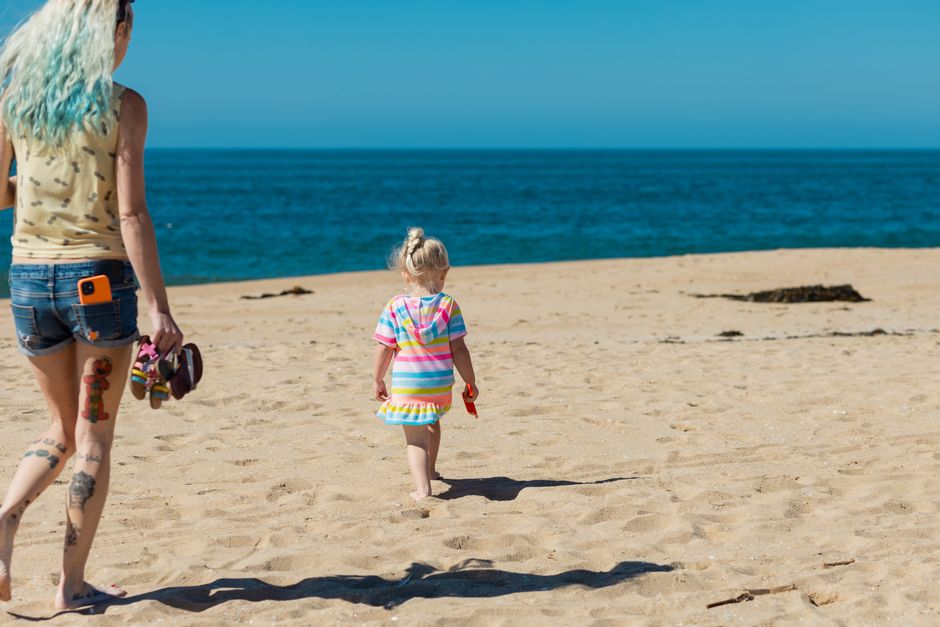
Beach or Mountain Vacations: Which Is Better for Toddler Families
You're planning your first proper holiday with a toddler. Someone suggests the beach. Someone else swears by the mountains. Both sound appealing. Both sound exhausting. And now you're stuck comparing two completely different experiences with no clear way to decide which one will actually work.
This isn't about which destination photographs better or which one you'd prefer without kids. It's about which environment genuinely supports a 1-3 year old's needs while keeping you relatively sane. Both options have merit. They just work differently for different toddlers and different families.
What follows is a decision framework, not a universal answer. Because the 'right' choice depends entirely on your specific toddler's temperament, not what worked for your cousin's family or what looks good on social media.
Why This Decision Feels Harder Than It Should
Parents overthink this choice because they're evaluating based on the wrong criteria. You're probably thinking about what you want from a holiday, or what looks appealing in other families' photos, rather than what your toddler actually needs to stay regulated and engaged.
The comparison trap makes this worse. Research shows that social comparison significantly influences decision-making, particularly when we're evaluating options in relation to what others have chosen. You see beach photos from friends and suddenly feel like that's the 'right' choice. Then you see mountain cabin posts and second-guess everything.
The core tension is simple: you want to make the 'right' choice, but you lack clear criteria for what makes a holiday successful for a toddler. Adult metrics don't apply. Your toddler doesn't care about scenic views, local cuisine, or cultural experiences. They care about whether they can move freely, whether their routine holds together, and whether the environment feels manageable rather than overwhelming.
Beach versus mountain feels paralysing because both environments promise completely different experiences, and you can't test-run either option. You're committing to accommodation, travel, and a week of your life based on guesswork about how your toddler will respond to sand or altitude or forest trails.
What Toddlers Actually Need From a Holiday (It's Not What You Think)

Toddlers don't need destinations. They need environments that support their developmental stage. A successful toddler holiday isn't about ticking off attractions or creating Instagram moments. It's about providing the right conditions for your child to explore, regulate, and sleep without constant meltdowns.
Three criteria matter more than anything else: sensory stimulation without overwhelm, safe spaces to test physical limits, and predictable routines in unpredictable places. These aren't abstract concepts. They're practical filters you can use to evaluate whether a beach or mountain environment will actually work for your specific toddler.
These criteria matter more than scenic views or your own relaxation opportunities because they directly determine whether your toddler spends the week engaged and happy or dysregulated and difficult. Get these right, and you'll have a genuinely enjoyable holiday. Get them wrong, and you'll spend the week managing behaviour in an environment that's actively working against you.
Sensory stimulation without overwhelm
Toddlers need novel textures, sounds, and sights. New environments are developmentally valuable. But too much intensity too quickly leads to dysregulation, which shows up as tantrums, sleep resistance, or clinginess.
'Just right' sensory input for a 1-3 year old means environments with variety but not chaos. Think textured surfaces to touch, interesting sounds that aren't constant noise, visual interest that doesn't involve crowds or traffic. Individual toddlers have wildly different sensory thresholds. Some love loud, busy environments. Others shut down completely.
Safe spaces to test physical limits
Toddlers are developing gross motor skills constantly. They need to climb, run, balance, and explore. Holidays that require constant 'no' responses or physical restraint are exhausting for everyone.
Genuinely toddler-safe spaces allow independent exploration without requiring you to intervene every thirty seconds. This isn't about playground equipment. It's about natural environments where a toddler can test their capabilities, fall safely, and move freely without encountering genuine hazards or needing to be redirected constantly.
Predictable routines in unpredictable places
Toddlers need sleep and meal routines to stay regulated. This doesn't mean rigid schedules, but it does mean environments that support basic patterns. Access to shade for naps. Quiet spaces for wind-down time. Ability to prepare familiar foods rather than relying entirely on restaurants.
Routine flexibility matters more than routine perfection. You're not trying to replicate home exactly. You're trying to maintain enough structure that your toddler doesn't spend the entire week overtired and dysregulated.
The Beach Case: Where Sand Meets Toddler Reality
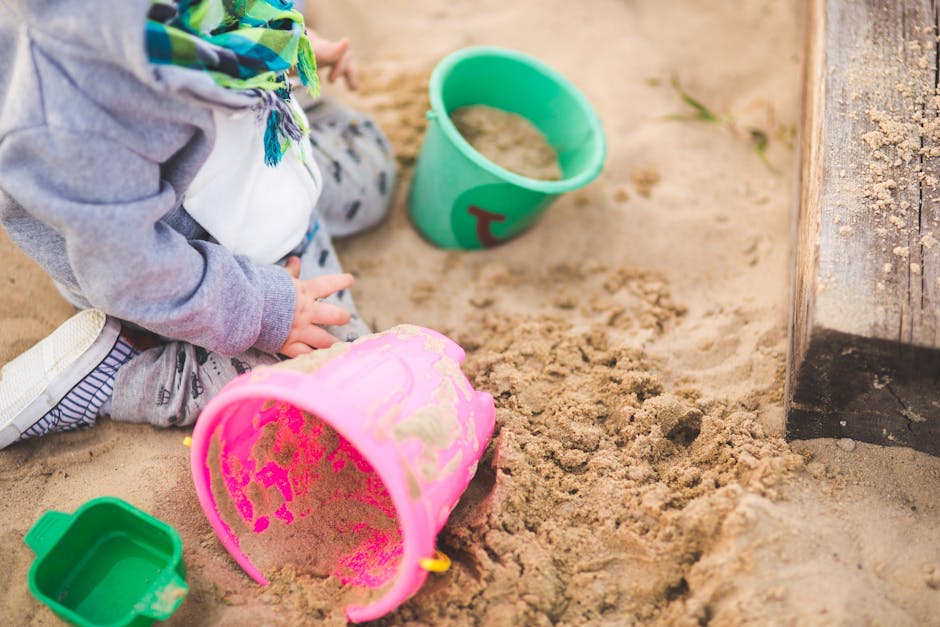
Beaches look perfect for toddlers in theory. Open space, natural materials, water play. In practice, they work brilliantly for some toddlers and create constant challenges for others. The difference comes down to how beach environments perform against those three criteria.
What works brilliantly (and why)
Sand provides exceptional sensory input. Different textures between wet and dry sand, the sound of waves, the visual interest of water movement. For sensory-seeking toddlers, beaches offer hours of engagement through digging, pouring, and texture exploration.
The open space allows genuine free-range exploration. A toddler can run, fall, climb over rocks, and investigate tide pools without encountering traffic, cliffs, or other serious hazards. You can watch from a distance rather than hovering constantly.
Beach routines often work well because you can establish a predictable pattern: morning beach time, midday return for lunch and nap, afternoon beach session. The environment naturally supports this rhythm. Many beach accommodations offer self-catering options, which helps maintain meal familiarity.
The hidden challenges parents miss
Sand gets everywhere. This sounds trivial until you're dealing with a toddler who's distressed by gritty textures in their nappy or who won't sleep because there's sand in the travel cot. Some toddlers find this texture overwhelming rather than enjoyable.
Sun and heat management becomes a full-time job. Toddlers overheat quickly, resist sun hats, and don't understand why they need to stay in shade. You'll spend significant energy on sun cream application, shade-seeking, and hydration rather than relaxing.
Water safety requires constant vigilance. Even shallow water poses drowning risk for toddlers. You can't look away. You can't relax. If you have multiple children or you're parenting solo, beach holidays can feel more stressful than restful.
Wind and weather unpredictability affects routine. A windy day makes beach time miserable for toddlers. Sudden weather changes disrupt plans. You need backup options, which many beach destinations don't naturally provide.
Best age window for beach holidays
Eighteen months to three years is the sweet spot. Toddlers can walk confidently on sand, engage meaningfully with water play, and understand basic safety instructions like 'stay where I can see you'. They're old enough to enjoy the sensory experience but young enough that they're not attempting to swim out to sea.
Younger toddlers (under 18 months) often find beaches frustrating. Everything goes in their mouth, including sand. They can't walk well on uneven surfaces. They're at the stage where they need constant physical supervision but can't yet engage with the environment in rewarding ways.
Individual temperament matters more than exact age. A cautious 20-month-old might thrive at the beach while an adventurous three-year-old creates constant water safety stress.
The Mountain Case: What Hills and Trails Actually Offer

Mountains encompass diverse environments: alpine resorts, forest cabins, hill country. What they share is varied terrain, cooler temperatures, and structured rather than open-ended exploration. These characteristics create different advantages and challenges compared to beaches.
What works brilliantly (and why)
Mountain environments offer rich sensory input through varied terrain. Forest textures, different surfaces underfoot, temperature changes, interesting sounds from wildlife and wind through trees. This variety engages toddlers without the intensity of beach environments.
Trails and natural spaces provide excellent gross motor challenges. Climbing over logs, walking on uneven ground, balancing on rocks. These activities develop physical skills in ways that flat beach sand doesn't. Toddlers who love physical challenges often prefer mountain environments.
Mountain accommodation typically supports routines better than beach options. Cabins usually include full kitchens, separate sleeping spaces, and quiet evenings without beach crowds. Weather patterns are often more predictable, making it easier to plan around nap times.
Specific activities work well: stick collecting, rock exploration, gentle trail walking, stream paddling. These provide structure and purpose that some toddlers need to stay engaged.
The hidden challenges parents miss
Limited toddler-appropriate terrain is the biggest issue. Many trails are too steep, too long, or too exposed for toddlers. You'll spend time researching and driving to find suitable walks rather than having immediate access to exploration space.
Altitude affects sleep and behaviour in ways parents don't anticipate. Even moderate altitude can disrupt toddler sleep patterns and increase irritability. This varies by child, but it's a real consideration for mountain destinations above 1,500 metres.
Weather unpredictability matters more in mountains than at beaches. Rain makes trails muddy and unsuitable for toddlers. Cold snaps require different clothing. You need more backup plans and indoor options.
Mountains require more structured activities because toddlers can't free-range safely. You're planning specific walks, specific exploration times, specific activities rather than just heading outside and letting them play. This works well for some families and feels restrictive for others.
Best age window for mountain holidays
Two-and-a-half to four years is optimal. Toddlers can walk reasonable distances (one to two kilometres on easy terrain), follow basic safety instructions like 'stay on the path', and engage meaningfully with nature exploration activities.
Younger toddlers find mountains limiting. They can't explore independently safely. They need to be carried frequently, which is exhausting on uneven terrain. The activities that make mountains interesting (nature observation, trail walking, exploration) don't engage pre-verbal toddlers effectively.
Mountains often work better for second or third family holidays when you know your toddler's capabilities and preferences. They require more planning and realistic assessment of what your child can actually do.
The Verdict: Match the Environment to Your Toddler, Not Your Instagram Feed
Choose beaches for sensory-seeking toddlers who love open space, water play, and unstructured exploration time. Choose mountains for toddlers who prefer structured activities, cooler environments, and physical challenges like climbing and balancing.
The decision framework is straightforward: evaluate your specific toddler's temperament against those three criteria (sensory needs, exploration style, routine requirements). Don't base this on what looks good in photos or what other families recommend. Context significantly influences decision-making, and comparing your situation to others' curated holiday posts will lead you astray.
Many families try both and discover preferences through experience. That's fine. There's no wrong choice here, only better or worse fits for your particular child at this particular age.
If you're still uncertain, Toddler Vacay specialises in helping families evaluate destinations based on toddler-specific criteria rather than generic travel advice. Their destination guides provide practical assessments of sensory environments, safety considerations, and routine support, which makes planning significantly easier than trying to extrapolate from standard travel reviews.
Either choice can work well when planned around toddler needs rather than adult expectations. The families who have difficult holidays are usually the ones who chose based on what they wanted to experience rather than what their toddler could actually handle. Start with your child's temperament, work backwards to the environment that supports it, and you'll have a genuinely enjoyable week rather than an exhausting exercise in damage control.