The Vacation Mistakes Every Parent Makes with Toddlers (And How to Avoid Them)
You planned everything. Booked the family-friendly resort. Packed the travel cot. Downloaded the toddler apps. Then you came home more exhausted than when you left, wondering why your carefully planned holiday felt like a week-long endurance test.
Here's the truth: toddler holidays go wrong for predictable, fixable reasons. Not because your child is difficult. Not because you're unlucky. But because specific planning mistakes create the exact conditions that trigger meltdowns, disrupted sleep, and parental burnout.
This isn't about achieving perfect Instagram-worthy family moments. Toddler travel is challenging. But it doesn't have to be survival mode. The following mistakes sabotage most family trips, and fixing them transforms holidays from stressful to genuinely enjoyable.
Why Toddler Holidays Feel Like Harder Work Than Staying Home
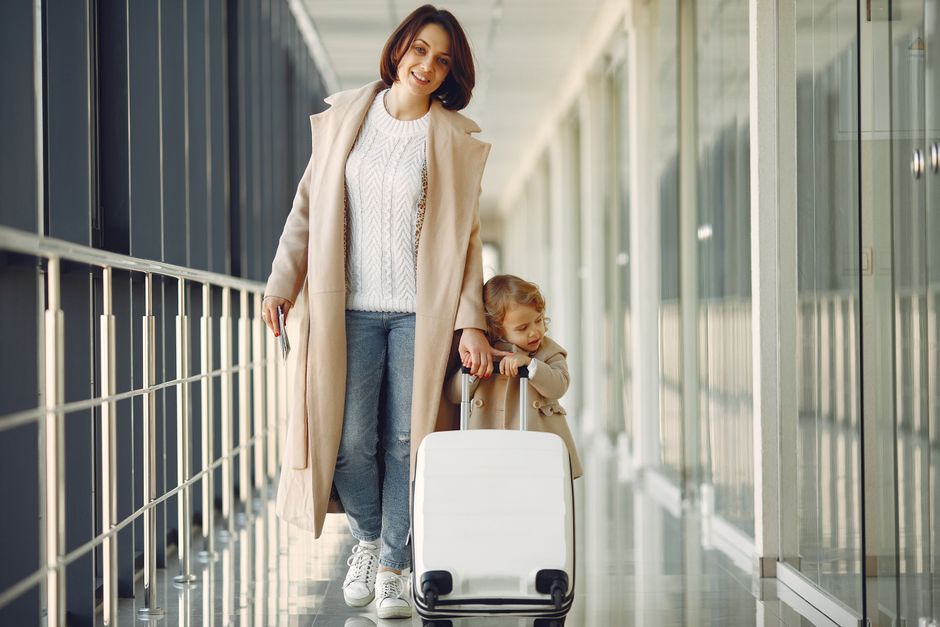
That feeling when you return from a family holiday needing another holiday? It's not just you. Most parents find travelling with toddlers more stressful than their normal routine at home.
The problem isn't the destination. It's that parents unknowingly recreate the exact conditions that trigger toddler chaos: disrupted routines, unfamiliar environments, hunger at the wrong times, overstimulation, and exhausted adults trying to do too much.
Your toddler isn't being difficult. They're responding predictably to circumstances that would unsettle anyone. The good news? These circumstances are entirely within your control. The mistakes that derail family holidays are specific and fixable. You just need to know what they are.
Packing Like You're Moving House (Instead of Travelling Light)

The anxiety starts before you leave. What if they need this? What if we can't find that? What if the weather changes? So you pack everything. Just in case.
Then you're hauling three bags through the airport while your toddler refuses to walk. Your accommodation is cluttered with stuff you never use. You can't find the one thing you actually need because it's buried under twelve items you brought "just in case."
Research shows that overpacking leads to messy accommodation and physical strain, creating more problems than it solves. When you're managing a toddler mid-meltdown, the last thing you need is to dig through excessive luggage looking for their comfort toy.
Why the 'everything but the kitchen sink' approach backfires
Overpacking doesn't just create logistical problems. It multiplies stress at every stage of your trip.
You're wrestling bags through security while your toddler tries to escape. You're paying excess baggage fees. You can't find essentials quickly when your child is losing it in public. Your hotel room looks like a bomb site within hours.
Most items parents pack "just in case" never get used. That second stroller? The backup toys? The extra outfit changes beyond what's genuinely necessary? They sit untouched while taking up space and adding weight.
Here's what parents forget: most destinations have shops. If you genuinely need something you forgot, you can buy it. The inconvenience of a local pharmacy run is nothing compared to hauling excessive luggage while managing a tired toddler.
The actual essentials that prevent toddler meltdowns
Pack strategically, not exhaustively. The genuine must-haves are items that maintain routine and prevent common disasters:
Their comfort item. Whatever helps them sleep in unfamiliar places. Non-negotiable.
Familiar snacks. Not just any snacks. The specific ones your toddler actually eats when they're tired and refusing everything else.
A complete change of clothes in your carry-on. Because accidents happen at the worst possible moments.
Basic first aid and any regular medications. You don't need a full pharmacy. Just the essentials you'd grab at home for common issues.
Compact entertainment that genuinely engages them. Not bulky toys. Think small books, stickers, or a tablet with downloaded content. Things that work in confined spaces during delays.
That's it. Everything else is either available at your destination or genuinely optional.
Booking Accommodation Based on Adult Priorities
The hotel looks stunning in photos. Great reviews. Perfect location near the main attractions. You book it immediately.
Then you arrive and realise there's no separate sleeping space for your toddler. No blackout curtains. The restaurant doesn't serve dinner until 7pm. The beautiful room you booked creates toddler chaos from day one.
Parents book accommodation that appeals to adults: aesthetics, amenities, star ratings, proximity to tourist sites. But none of that matters if the practical features that prevent toddler meltdowns are missing.
The hotel features that matter more than star ratings with toddlers
Separate sleeping space. Even a basic partition matters. When your toddler goes to bed at 7pm and you're stuck sitting in darkness for four hours, you'll understand why this tops the list.
Blackout curtains. Toddlers wake with light. Hotel curtains that let morning sun through at 5:30am ruin everyone's day.
A kitchenette or at minimum a fridge and kettle. For warming milk, storing snacks, and having breakfast options when your toddler wakes before the hotel restaurant opens.
Laundry facilities. Because toddlers create washing at an impressive rate, and packing enough clothes for every possible accident is impossible.
These aren't luxury features. They're practical necessities that directly prevent common holiday problems. A three-star apartment with these features beats a five-star hotel without them.
Location mistakes that turn simple outings into ordeals
Proximity to tourist attractions sounds ideal until you realise you're far from everything that actually matters with a toddler: parks, playgrounds, supermarkets, pharmacies.
Research suggests that getting out of tourist zones enhances your trip by avoiding crowds and finding authentic local spots. With toddlers, this matters even more. You need quick access to quiet spaces where they can burn energy without navigating tourist crowds.
Long commutes to activities multiply meltdown opportunities. Every journey is a chance for hunger, tiredness, or boredom to derail your plans. Accommodation that requires extensive travel to reach basic amenities creates unnecessary stress.
Book near local neighbourhoods with parks and family-friendly infrastructure. Not in the heart of tourist districts.
Cramming Your Pre-Kids Itinerary Into Toddler Nap Times
You want to make the most of your holiday. See the sights. Try the restaurants. Experience the destination properly. So you plan a full itinerary, fitting activities around nap times.
Then reality hits. Your toddler won't nap in the stroller. The museum visit takes twice as long because they need to stop every five minutes. By evening, everyone's exhausted and irritable. The next day is worse because last night's disrupted sleep creates a domino effect.
The mistake isn't wanting to enjoy your holiday. It's trying to maintain your pre-children travel pace while managing a toddler's needs.
Why 'we'll just skip nap today' never ends well
It's tempting. The activity doesn't align with nap time. You're already out. Surely one skipped nap won't matter?
It matters. Predictably and dramatically.
The afternoon deteriorates into meltdowns. Evening becomes a battle. Night sleep is disrupted because they're overtired. The next day starts badly because everyone's exhausted. One skipped nap can derail multiple days of your holiday.
This isn't about being rigid. It's about understanding that the trade-off rarely works in your favour. That extra activity you squeezed in? You'll spend the next 48 hours paying for it in difficult behaviour and family stress.
The realistic daily rhythm that actually works
One main activity per day. Scheduled around nap and meal times, not squeezed between them.
This sounds limiting until you realise that rushing through multiple activities while managing a tired toddler means you don't actually enjoy any of them. Slower pace means everyone engages properly with what you're doing.
Build in buffer time. Toddlers move slowly. They want to stop and look at things. They need bathroom breaks at inconvenient moments. Plans that work on paper fall apart without flexibility.
Have low-key backup options. When your main plan goes sideways (and it will), you need alternatives that don't require extensive travel or perfect timing. A local playground. A quiet café. A walk in a park.
Time is valuable when travelling. Wasting it on meltdowns and recovery from poor planning defeats the entire purpose of your holiday.
Assuming Toddlers Will Eat Whatever's Available
Your toddler eats reasonably well at home. You figure they'll adapt to holiday food. Then you discover that pickiness intensifies dramatically in unfamiliar environments.
Hunger triggers immediate meltdowns. Waiting for food in restaurants becomes torture. Meal times turn into battles. You end up eating at random times in random places, just trying to get something into them before the next crisis.
Strategic snacking and meal timing prevent multiple daily disasters. This isn't complicated, but most parents underestimate how critical it is.
The snack strategy that prevents restaurant meltdowns
Always have familiar, filling snacks accessible before hunger escalates. Not after your toddler is already melting down. Before.
Offer snacks before entering restaurants. During wait times for food. Whenever there's a gap between meals and activities. This isn't giving in or spoiling dinner. It's preventing situations where everyone loses.
Pack protein-rich options that sustain energy. Not just crackers or fruit. Things that actually fill them up: cheese, nuts if age-appropriate, protein bars, sandwiches.
The goal isn't to replace meals. It's to prevent the hunger-driven meltdowns that ruin restaurant experiences and create stress for everyone around you.
Dining timing mistakes that guarantee disaster
Waiting for restaurants to open for dinner service. Trying to eat at "proper" meal times that align with adult schedules. Choosing venues based on food quality rather than speed of service.
These decisions guarantee problems. Toddlers need to eat at toddler-appropriate times, which means earlier than typical dinner service in most destinations.
Research indicates that dining near major tourist attractions tends to be costly, but timing matters as much as location. Restaurants that accommodate early dining prevent the meltdowns that come from hungry, tired toddlers waiting for food.
Choose venues based on flexibility and speed, not just quality. A decent meal served quickly beats an excellent meal that takes 45 minutes to arrive while your toddler disintegrates.
Forgetting That Toddlers Don't Care About Your Bucket List

You've travelled to this destination. You want to see the famous sites. Experience the culture. Make the trip worthwhile.
Your toddler wants to play in the hotel pool. Again. For the third day running.
The disconnect between parent expectations and toddler interests creates constant battles. You're trying to make them appreciate experiences they're developmentally incapable of valuing. They're resisting activities that bore or overwhelm them. Everyone ends up frustrated.
Activities toddlers actually enjoy versus what looks good on Instagram
Toddlers genuinely enjoy: playgrounds, beaches, swimming pools, animals, interactive spaces where they can touch things and move around.
Toddlers do not enjoy: museums, scenic viewpoints, historical sites, cultural performances, anything requiring them to stay still and quiet.
Research suggests that meaningful travel experiences are enriched by interaction. For toddlers, meaningful interaction means play, not cultural appreciation. They find meaning in digging in sand, not viewing architecture.
They often enjoy the journey more than the destination. Planes, trains, buses. The travel itself excites them more than whatever you're travelling to see.
This doesn't mean abandoning your priorities entirely. But it requires honest acknowledgement of what your toddler will actually engage with versus what you wish they'd appreciate.
The 80/20 rule for balancing adult and toddler priorities
Plan 80% of activities around toddler interests. Reserve 20% for adult priorities.
This sounds skewed until you realise that cooperative toddlers make adult activities feasible. When their needs are consistently met, they're more flexible during the occasional adult-focused outing.
Time adult activities strategically. Toddlers behave best in the mornings after good sleep and breakfast. That's when to attempt your cultural site visit or scenic walk.
Keep adult experiences short and focused. A 30-minute museum visit works. Three hours doesn't. Brief, concentrated exposure to what you want to see beats extended activities that deteriorate into battles.
Toddler Vacay specialises in helping families find this balance, identifying destinations and activities that genuinely work for both parents and young children rather than forcing compromises that satisfy no one.
Skipping the Boring Admin That Saves Your Trip
Planning holidays is exciting. Researching accommodation, booking flights, imagining the experience. Administrative tasks are boring by comparison, so they get left until last or forgotten entirely.
Then preventable administrative failures create crises that derail your entire trip. Frozen bank cards. Expired passports. Medical emergencies without insurance coverage. Problems that could have been avoided with 30 minutes of unglamorous preparation.
Travel insurance scenarios you don't think about until they happen
Toddlers get sick. Frequently and unpredictably. Research confirms that forgetting travel insurance can lead to high expenses during medical emergencies.
The scenarios parents don't consider: your toddler develops an ear infection the day before departure, requiring trip cancellation. They need medical treatment abroad that costs thousands without insurance. You lose essential items and have no coverage for replacement.
Travel insurance isn't optional with toddlers. It's essential protection against the predictable unpredictability of travelling with young children.
What coverage actually matters: medical treatment abroad, trip cancellation for illness, lost essentials, emergency evacuation if needed. Don't just buy the cheapest policy. Check what's actually covered for young children.
The medical and document prep that matters with toddlers
Passport validity. Some countries require passports to be valid for at least six months after entry. Check this months before travel, not days before departure.
Notify your bank of travel plans. Research shows that failing to inform banks of overseas transactions leads to frozen cards due to perceived unusual activity. A 5-minute phone call prevents this entirely.
Pack copies of prescriptions and basic medications. If your toddler takes regular medication, bring enough for the trip plus extra. Have documentation for anything that might raise questions at customs.
Check destination-specific requirements: car seat laws, medication restrictions, vaccination records, health documentation. These vary significantly between countries and can cause problems if you're unprepared.
Your Next Holiday Doesn't Have to Be Survival Mode
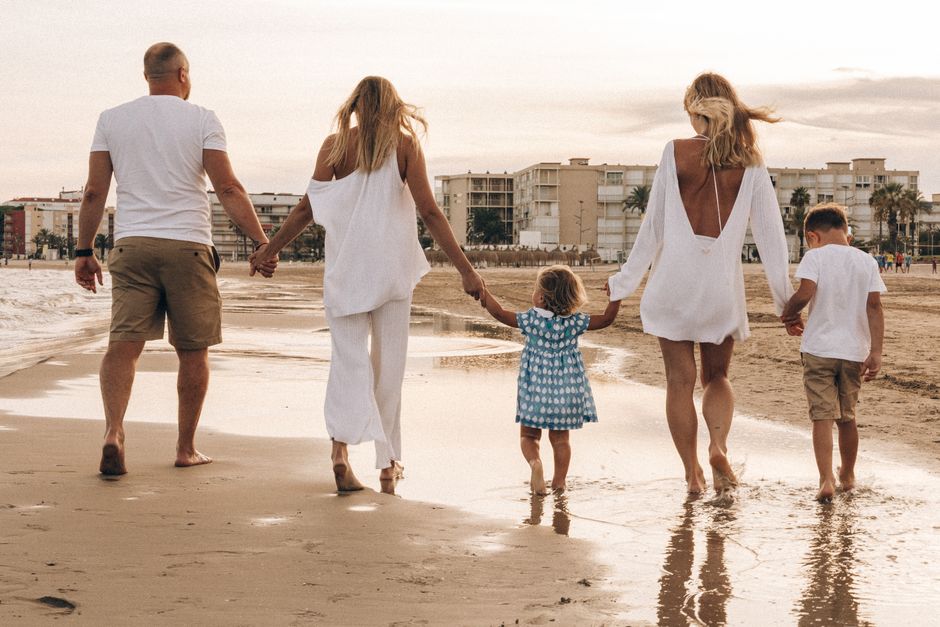
The frustration you felt returning from your last family holiday? It came from specific, avoidable mistakes, not from bad luck or a difficult child.
Toddler travel requires different planning than adult travel. Not just lowered expectations. Different priorities, different timing, different accommodation choices, different daily rhythms.
When you design holidays around toddler realities rather than trying to force toddlers into adult travel patterns, the experience transforms. It's still challenging. Toddlers are unpredictable. But it becomes genuinely enjoyable rather than exhausting survival mode.
These strategies get easier with practice. As you learn what works for your specific child, planning becomes more intuitive. As your children grow, flexibility increases.
Ready to plan a family holiday that actually works? Toddler Vacay helps families navigate these challenges, providing expert guidance on destinations, timing, and practical strategies that transform toddler travel from stressful to enjoyable. Get in touch for advice tailored to your family's specific needs.