Should You Let Your Toddler Use an iPad on Vacation? Here's Our Take
You're sitting at the airport gate, watching your toddler completely absorbed in an iPad, and that familiar knot of parental guilt starts forming. Around you, other kids are colouring or reading picture books, and you're wondering if you've already failed before the holiday even started.
If this sounds familiar, you're not alone. Most parents feel conflicted about relaxing screen rules during travel. The good news? This isn't the parenting crisis it feels like. The answer is more nuanced than a simple yes or no, and there's no research suggesting travel screen time causes harm.
This article will give you an evidence-based perspective without the judgment. We'll look at what actually happens when toddlers use screens during travel, and how to make it work without the post-holiday meltdown.
The Vacation Screen Time Dilemma Every Parent Faces
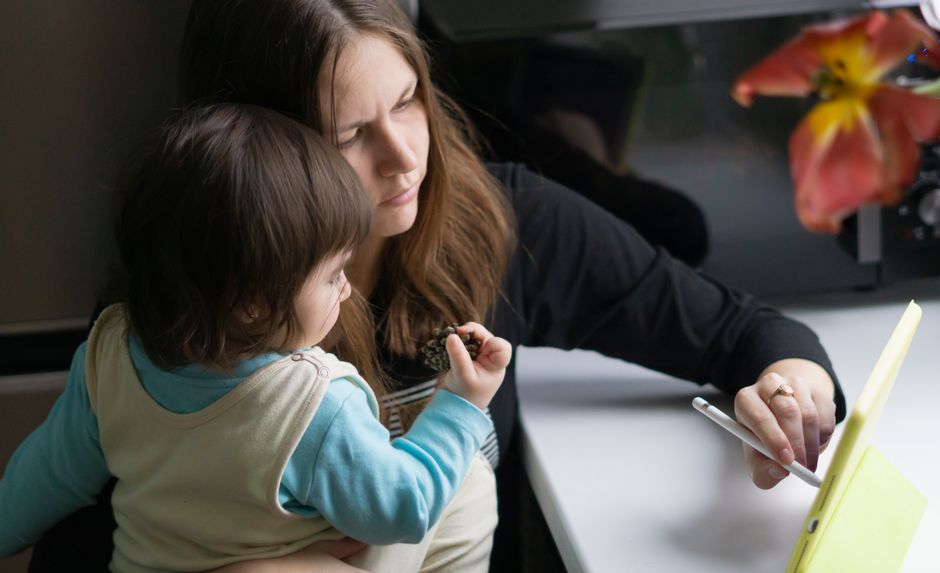
There's a tension every parent knows well. At home, you've worked hard to establish boundaries around screen time. Maybe it's one episode after dinner, or only on weekends. Then you're facing a six-hour flight with a two-year-old.
The logistics of travel make those carefully maintained routines nearly impossible. Limited space. No backyard to run around in. Nowhere to go when your toddler gets restless. The usual distractions aren't available.
What's at stake feels significant. On one hand, you want to keep your sanity and actually survive the journey. On the other, you worry about undoing months of careful boundaries. Will they expect unlimited screen time when you get home? Have you just taught them that rules don't really matter?
We're not offering solutions yet. Just acknowledging that this struggle is real, and it matters because you care about doing right by your child.
What Actually Happens When Toddlers Use Screens During Travel
Here's the key finding that should ease some of that guilt: no research suggests that using media on long journeys harms children, unlike using media to calm emotions frequently.
Travel screen time is fundamentally different from daily screen habits. The context matters. A lot.
This doesn't mean all screen time is equal or that travel days have zero impact. It means they're a different category entirely, with different considerations and different risks.
The difference between travel days and everyday screen habits
Think about the context of travel. You're in a confined space with limited alternatives. It's a specific, time-bound situation. Compare that to daily home life, where screens might replace outdoor play, conversation, or creative activities for hours every day.
The negative impacts of excessive screen time on cognitive, linguistic, and social-emotional development relate to chronic patterns. Not occasional travel days. The research on developmental delays, attention problems, and sleep issues focuses on consistent, long-term exposure.
Yes, screen use during flights can crowd out parent-child interactions and play. But these are less of a concern during flights specifically, where your interaction options are already limited by the environment.
Why the 'rules out the window' approach isn't as harmful as you think
According to Dr. Sarah Bren, there's no 'right' approach to screen time on travel days. What matters is flexibility tailored to your family's needs.
On planes, screen time may become a 'free for all' to help manage travel complexities. Different rules apply compared to home, and that's okay.
The fear that you're 'undoing progress' doesn't hold up. Occasional departures from routine don't erase established patterns. Your toddler understands more than you think about context. They know the difference between a plane and the living room.
Some parents still want basic limits even during travel. That's valid too. The point is that you have options, and neither approach causes lasting harm.
What you actually risk losing (and what you don't)
Let's be clear about what's NOT at risk: long-term developmental harm, permanent routine destruction, or undoing good parenting. The research doesn't support those fears.
What IS at risk? A few days of pushback when you return to normal limits. Some potential overtiredness if screens replace sleep during travel. Maybe some whining when the iPad goes back in the drawer at home.
Parents acknowledge that readjustment post-vacation may be more challenging when routines are relaxed. But it's not insurmountable. It's temporary. Most families find their rhythm again within a few days.
Making Screen Time Work Without the Post-Holiday Meltdown
Now that we've established why travel screen time is okay, let's talk about how to do it strategically. These aren't mandatory rules. They're tools you can adapt to make the return home smoother while still enjoying flexibility during travel.
At Toddler Vacay, we help families navigate these practical challenges so you can focus on actually enjoying your holiday rather than stressing about every parenting decision.
Set expectations before you leave home
Dr. Bren recommends discussing the plan for screen use during travel with your children to set expectations and reduce surprises.
Explain that 'holiday rules' are temporary and different from home rules. Be specific about what changes. "On the plane you can watch more shows, but at home we'll go back to our normal time."
Keep it simple. You're not negotiating with a tiny lawyer. Just giving them a heads-up that things will be different, and then different again when you return.
Build in 'brain breaks' during long screen sessions
Dr. Bren introduces the concept of 'brain breaks' during travel screen use. These help maintain balance between screen time and other activities without completely abandoning the iPad.
Practical break activities: stretching in the airplane aisle, looking out the window, snack time, simple conversation. Nothing elaborate.
Children transition better from screen time to screen-free activities when you provide offline options like reading and games. The shift isn't as jarring.
There's also a social values opportunity here. Pausing screens to interact politely with flight attendants and other passengers teaches your toddler that people matter more than devices, even during 'screen time days'.
Pack the offline backup plan (before the battery dies)
Pack non-electronic toys and books. Not just as a backup, but to prevent the desperation that sets in when the battery dies mid-flight and you have nothing else.
Here's something worth knowing: videos with autoplay create more difficulty transitioning away from screen time. The endless stream makes it harder for children to accept when screen time ends. Choose content that has natural stopping points.
Use Common Sense Media reviews to find age-appropriate content before you travel. Don't leave this until you're at the airport trying to download something while boarding.
Having offline alternatives prevents the panic when screens aren't available. It also gives you more control over when and how screen time happens, rather than being completely dependent on devices.
Your Family's Screen Rules Don't Need to Be Anyone Else's

Remember that airport gate scenario? The guilt you felt watching your toddler on the iPad while other kids coloured?
You can let that go.
Parents can make choices that fit their specific family. Flexibility and mindfulness tailored to your needs matter more than rigid rules or comparing yourself to the family in the next row.
Some families will use screens liberally during travel. Others will maintain stricter limits. Both are valid. Both can work. Neither approach makes you a better or worse parent.
What matters is getting through travel safely and arriving ready to enjoy your holiday. If an iPad helps you do that, use it without guilt.
If you're planning your next family trip and want expert guidance on making travel with toddlers easier, Toddler Vacay specializes in helping families navigate these challenges. We understand that successful family holidays aren't about perfect parenting—they're about practical solutions that work for your family.