
Your First Family Vacation: Where to Go When You're New
You're scrolling through holiday photos from friends who make family travel look effortless. Their kids are smiling at ancient ruins. Yours won't sit still through dinner. You want to book something, but every destination feels like a gamble. What if your toddler melts down on the plane? What if you forget the one thing that prevents bedtime chaos? What if you spend $3,000 to discover your family hates travelling together?
This isn't overthinking. Your first family holiday genuinely is different from any trip you've taken before. The variables have multiplied. The stakes feel higher. And unlike your pre-kids travel, you can't just pivot to a different plan when things go sideways.
Here's what actually helps: a clear framework for choosing destinations that set you up for success, not stress. Not a perfect trip. Not Instagram-worthy moments at every turn. Just a solid first attempt that teaches you what your family needs without costing you a fortune in lessons learned the hard way.
Why Your First Family Holiday Feels Like a High-Stakes Gamble

The anxiety is specific. You're worried about wasted money. Exhausted kids who won't sleep in unfamiliar beds. A disappointed partner who expected relaxation and got chaos. The creeping feeling that you've somehow failed at 'family fun' before you've even started.
First-timers lack something experienced family travellers have built over years: a mental database of what actually works. You don't know yet whether your kid does better with structured activities or free play. Whether they need their exact bedtime routine or adapt easily. Whether travel energises them or depletes them completely.
This matters more than you'd think. Research on first-time founders shows they have an 18% success rate compared to 30% for experienced entrepreneurs. Experience genuinely changes outcomes. Not because experienced people are smarter, but because they've already made the mistakes you're trying to avoid.
The destination choice is the single biggest variable you can control. Get this right, and you're not guaranteeing perfection. You're dramatically reducing the chances of complete disaster. That's worth planning for.
The Three Non-Negotiables for First-Timer Success
These aren't nice-to-haves. They're the difference between testing your limits and setting yourself up to win. Think of them as the minimum viable criteria that let you learn what your family needs without discovering every possible failure mode simultaneously.
You're learning from others' mistakes rather than making all of them yourself. That's not cheating. That's smart.
Short Travel Time (Under 3 Hours)
The journey itself is often harder than the destination for first-timers. Kids haven't built travel stamina yet. They don't have the patience reserves for long waits, multiple connections, or extended periods of sitting still.
Three hours means total door-to-door time. Not just flight duration. A 90-minute flight with two hours of airport time still counts as 3.5 hours. That matters when you're managing snacks, toilet breaks, entertainment, and the inevitable "are we there yet?" loop.
Longer trips aren't impossible. They're just unnecessary risk for a first attempt. Save the 12-hour journey for when you know your family's travel rhythm.
Kid Infrastructure Already in Place
You're looking for places where families are the norm, not the exception. Where highchairs appear in restaurants without you asking. Where change tables exist in public toilets as standard. Where kids' menus aren't a special request that makes you feel like you're inconveniencing everyone.
Specific markers: playgrounds visible from cafes. Pram-accessible paths that don't require you to carry everything. Family rooms in most accommodation options, not just the expensive ones.
This isn't about needing 'kid-focused' destinations. It's about baseline infrastructure that doesn't make you work twice as hard for basic functions.
Backup Plans Built Into the Destination
First-timers need Plan B, C, and D in the same location. Weather changes. Moods change. Energy crashes happen at 2pm when you've planned activities until 5pm.
What this looks like: indoor and outdoor options within 20 minutes of your accommodation. Active and quiet activities you can switch between. Multiple food options that don't require booking three days ahead.
Experienced travellers expect plan changes. They've learned to roll with it. You need built-in flexibility because you're still learning what 'rolling with it' actually means for your family.
Five Destinations That Tick Every Box
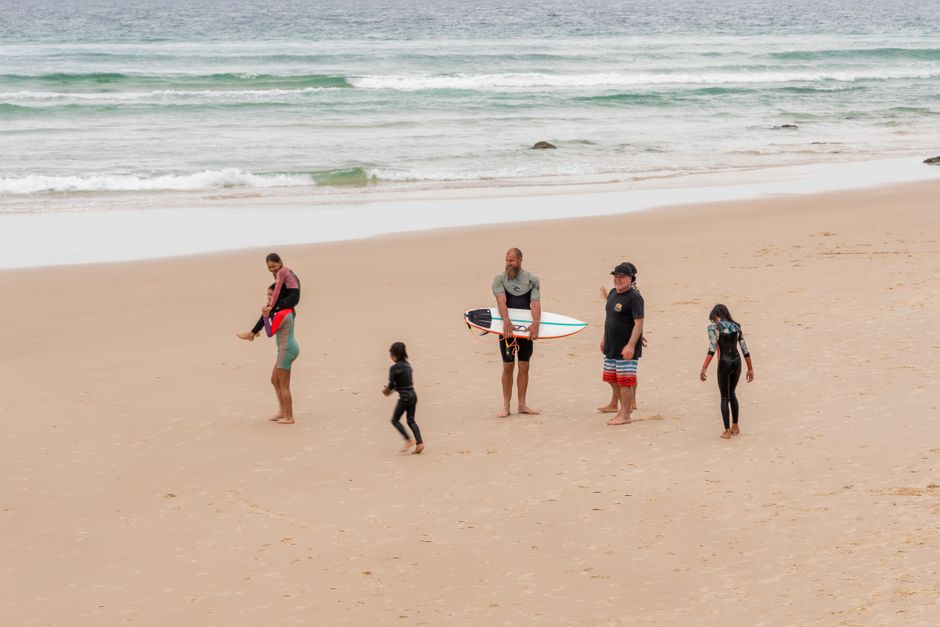
These aren't the only good choices. They're the lowest-risk starting points. Each one meets all three non-negotiables. Each has different strengths for different family types. None of them is objectively 'best'. They're equally valid options with different appeals.
Gold Coast, Queensland: The Training Wheels Holiday
This is the 'easiest mode' option. Maximum kid infrastructure. Endless backup plans. Genuinely impossible to run out of things to do.
Travel times: Sydney 1.5 hours, Melbourne 2.5 hours, Brisbane 1 hour. All direct flights. All manageable with young kids.
Backup plan examples: theme parks if weather's good. Aquarium or indoor play centres if it rains. Beach if kids need to burn energy at 4pm. Everything is within 15 minutes of wherever you're staying.
The downside: it's busy. Commercial. It won't feel like an escape. But that's exactly why it works for first-timers. You're not trying to find peace. You're trying to build confidence that family travel is manageable.
Phillip Island, Victoria: Nature Without the Stress
The nature option that doesn't require camping skills or tolerance for remote locations. Ninety minutes' drive from Melbourne. The drive itself is easy with young kids because it's straightforward and you can stop whenever needed.
Built-in backup plans: penguin parade (guaranteed entertainment every single night). Beaches. Wildlife park. Chocolate factory. All within 15 minutes of each other.
This works for families who want 'outdoors' but need safety nets. Nature experiences with town amenities. Not adventurous. Nature with training wheels.
Hunter Valley, NSW: The Grown-Up Compromise
This works for parents who aren't ready to give up all adult experiences. Wineries with playgrounds. Nice restaurants with kids' menus and early sittings. Wine tasting while kids play in view.
Two and a half hours' drive from Sydney. The timing matters: leave after breakfast, arrive for lunch, and you've avoided the worst of the car-based chaos.
Backup plans: gardens, wildlife park, cheese and chocolate tastings, pools at most accommodation. You're still parenting. Just in nicer settings.
Sunshine Coast, Queensland: Gold Coast's Calmer Sibling
The middle ground. More infrastructure than remote destinations. Less overwhelming than Gold Coast. Brisbane 1.5 hours, Sydney 2 hours by flight. Airport proximity matters when you're managing luggage and tired kids.
Key difference from Gold Coast: fewer crowds, more space, same backup plan density. Beaches, Australia Zoo, hinterland towns, Eumundi markets. All within 30 minutes.
Not 'better' than Gold Coast. Better for families who want slightly less stimulation. That's a preference, not a ranking.
Daylesford, Victoria: The Weekend Reset
The confidence-builder. Short trip: 2-3 nights maximum. Close to Melbourne: 90 minutes. Low-stakes testing ground for whether your family even likes travelling together.
What makes it first-timer friendly: compact town, everything walkable, clear wet-weather options. Lake walks, playgrounds, indoor pool complexes, bakeries and cafes with space for kids.
This is the practice run. Build confidence before attempting longer or further trips. Not exciting. Just the low-risk way to learn what your family actually needs on holidays.
If you're feeling overwhelmed by the planning, Toddler Vacay specialises in helping families navigate their first trips with practical, tested advice for destinations that actually work.
The One Thing That Matters More Than Where You Go

Reframe what success means. It's not a perfect trip. It's learning what works for your specific family. The goal isn't zero problems. It's building confidence to handle problems when they happen.
Your first trip is data collection for future trips. A 'good enough' first attempt that teaches you things is more valuable than a perfect trip that doesn't. You're not trying to nail family travel on attempt one. You're trying to survive it well enough to attempt two.
That's the actual win. Not the photos. Not the memories that look good in retrospect. The knowledge that you can do this again, slightly better, with slightly more confidence.
Everything else is just details.


