Essential Toddler Travel Gear for Your First Family Vacation
The first time you pack for a toddler trip, you'll probably overpack. Then you'll panic that you've forgotten something critical. Then you'll add three more bags. This list cuts through that chaos. These 12 items won't guarantee a perfect trip, but they'll prevent the disasters that turn family holidays into survival exercises.
This isn't about bringing everything. It's about bringing the right things.
Why Your First Toddler Trip Feels Like Packing for a Moon Landing

You're three days from departure and your toddler's pile of gear has already consumed two suitcases. Your own clothes are crammed into whatever space remains. Somewhere in the back of your mind, you're wondering if this trip is actually worth it.
The overwhelm is real. Your mother-in-law insists you need a full travel cot. A parenting forum swears by seventeen specific items. A blog post lists forty essentials. None of them agree, and all of them make you feel underprepared.
Most packing lists are too long because they're trying to cover every possible scenario. This one focuses on what actually prevents the kind of problems that derail entire days. You're not inadequate for feeling overwhelmed. You're normal. Every parent packing for their first toddler trip goes through this exact spiral.
The Non-Negotiables: 4 Things That Prevent Meltdowns
These four items form your emotional survival kit. They keep your toddler regulated when everything else is unfamiliar and overwhelming. Miss one of these, and you'll spend the trip managing preventable chaos.
1. A Familiar Sleep Item (Not the Entire Cot)
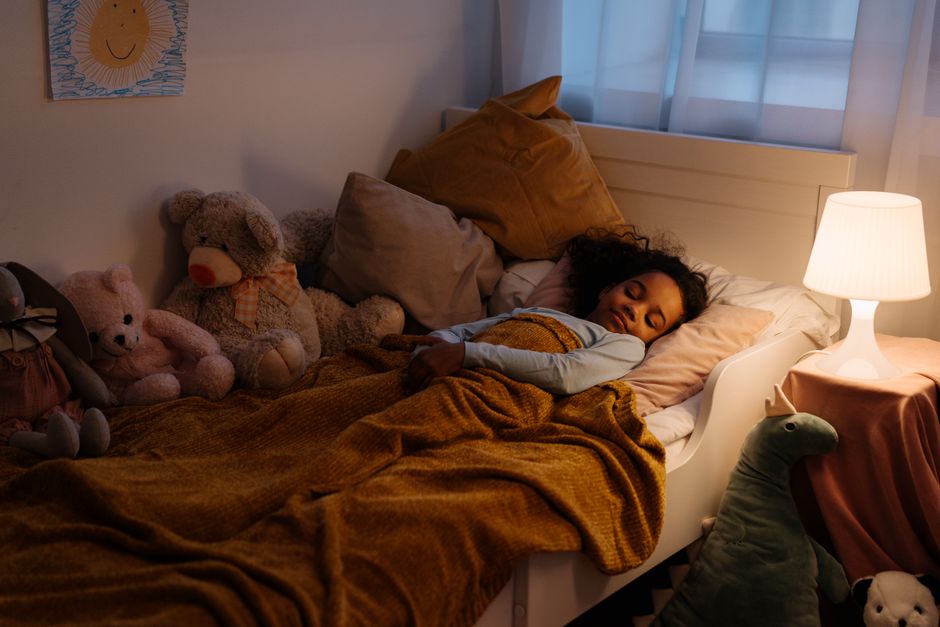
Sleep disruption is the single biggest risk on toddler trips. When sleep falls apart, everything else follows. One familiar item from home helps anchor their sleep routine in an unfamiliar space.
Bring their usual pillowcase, the small blanket they sleep with, or their sleeping bag if they use one at home. Not the full cot. Not five different comfort items. One thing that smells like home and signals bedtime.
Take a photo of the item before you leave. If it gets lost in a hotel room or left at a restaurant, you'll have a clear image to show staff when you're frantically retracing your steps at 9pm.
2. Snacks They Actually Eat (Not Airport Food Court Gambles)
Hunger accelerates toddler meltdowns faster than anything else. In unfamiliar environments, that acceleration is even quicker. Airport food courts and roadside service stations are not reliable backup plans for fussy eaters.
Pack snacks they eat at home. Sultanas, rice crackers, squeeze pouches, dry cereal. Nothing experimental. Nothing you're hoping they'll try. This is not the time to expand their palate.
Bring more than you think you'll need. Delays happen. Meals take longer than expected. Having backup snacks prevents the desperate scramble when your toddler is hungry and nothing suitable is available.
3. The Distraction Device That Works for Your Kid
Screen time rules often evaporate during travel. That's fine. Download their favourite shows and apps before departure so they work offline. Airports and planes have unreliable wifi, and mobile data gets expensive fast.
Non-screen options work too. Sticker books, small figurines, or a new small toy saved specifically for the trip. The key is knowing what actually holds your child's attention when they're tired, overstimulated, and trapped in a confined space.
Don't be precious about screen time during transit. Focus on what keeps your toddler calm during the hardest parts of travel. You can return to normal routines once you arrive.
4. One Comfort Object That Fits in Your Bag
A comfort object is different from general toys. It's the teddy, dummy, or special toy your toddler reaches for when they're upset or tired. It needs to be accessible at all times, which means it needs to fit in your bag.
Attach it to your bag with a clip or keep it in an easy-access pocket. Not buried at the bottom of a suitcase. Not in the overhead locker. Within reach when your toddler needs it, which will be often.
Bring one, not three. Multiple comfort items create multiple opportunities for loss. One well-protected item is easier to track than several scattered across bags and seats.
The Practical Savers: 4 Things That Make Logistics Bearable

These items don't prevent emotional meltdowns. They prevent logistical nightmares. They're the difference between navigating airports and hotels with relative ease versus fighting your gear at every transition point. When you're exploring Destinations that work for families, having the right practical gear makes the difference between enjoying the trip and just surviving it.
5. A Compact Stroller That Doesn't Require Engineering Degree
A lightweight, one-hand-fold stroller is essential for airports and public transport. It should fit in overhead compartments or gate-check easily without requiring disassembly.
Test the fold and unfold mechanism at home before you leave. Practice doing it while holding your toddler or a bag. If it takes two hands and careful positioning, it's not compact enough for travel.
Bulky travel systems might work for daily life at home, but they're a liability when you're navigating security queues, narrow airplane aisles, and crowded tourist areas.
6. Nappies for 24 Hours (Then Buy Local)
Pack enough nappies to get through the first 24 hours. That's roughly eight to ten nappies. Then buy more at your destination.
Nappies consume massive luggage space and they're available almost everywhere. Unless you're travelling somewhere genuinely remote, you'll find nappies locally. Often cheaper than at home.
The 24-hour buffer gives you time to locate a shop without the pressure of running out immediately. It also accounts for travel delays without forcing you to pack for the entire trip.
7. A Change Mat That Rolls, Not Folds
A rollable change mat is more compact and easier to clean than folding ones. It's useful for airport bathroom floors, park benches, and hotel rooms where you don't trust the surfaces.
Choose wipeable, waterproof material that can be rinsed and dried quickly. You'll use it more than you expect, and it needs to handle repeated cleaning without falling apart.
8. Wet Bags for the Inevitable Disasters
Wet bags are waterproof zippered bags designed to contain soiled clothes, leaky bottles, and dirty nappies without contaminating everything else in your bag. If you don't know what they are, you need them.
Bring two or three in different sizes. A small one for nappies, a medium one for clothes, and a larger one for bigger disasters. After a blowout or major spill, wet bags prevent your entire bag from becoming a biohazard.
They're cheap, lightweight, and reusable. They're also the item you'll wish you'd packed when you're standing in a public bathroom with soiled clothes and nowhere to put them.
The Sanity Keepers: 4 Things First-Timers Forget
This is the "wish I'd known" category. Experienced parents always pack these items because they've learned the hard way what happens when you don't. These separate stressful trips from manageable ones.
9. A Portable White Noise Machine (Your Sleep Insurance)
Unfamiliar hotel sounds disrupt toddler sleep. Hallway conversations, neighbouring rooms, street noise. All of it wakes toddlers who are already sleeping in an unfamiliar space.
A small battery-powered white noise machine masks those sounds. Even a phone app with a portable Bluetooth speaker works. The key is consistent background noise that drowns out sudden sounds.
This helps you sleep too. When your toddler sleeps through hallway noise, so do you. It's one of the highest-value items on this list relative to its size and cost.
10. Spare Clothes for You (Not Just Them)
You'll pack three outfit changes for your toddler. You'll pack none for yourself. Then your toddler will vomit on you during the flight, or spill an entire juice box down your shirt in the car.
Pack one complete change of clothes for yourself in your carry-on. Not in checked luggage. In the bag that stays with you during transit.
This is a lesson every parent learns exactly once. Usually while sitting in vomit-covered clothes for the remaining four hours of a flight.
11. A Simple First Aid Kit with Paracetamol
Toddlers get sick or injured at the worst possible times. Late at night, on weekends, in unfamiliar locations where you don't know where the nearest pharmacy is or whether it's open.
Pack children's paracetamol, bandaids, antiseptic cream, and a thermometer. Check dosage guidelines before you leave and pack a syringe for accurate measuring. Don't rely on hotel reception or late-night pharmacies in unfamiliar areas.
Keep it simple. You're not packing for major medical emergencies. You're packing for the minor injuries and fevers that happen on every trip and always seem to happen at 2am.
12. Low-Expectation Attitude (The Most Important Thing)
The most important thing to pack isn't physical. It's realistic expectations about how the trip will actually go.
Toddler trips are rarely relaxing. They're not the holidays you took before kids. They're about exposing your child to new experiences and making memories, not about lying by a pool with a book.
Plan for half of what you'd normally do on a child-free trip. Build in downtime. Accept that some days will be chaotic and that's fine. The trip doesn't need to be perfect to be worthwhile. If you're still figuring out where to go, the Compare tool can help you find destinations that match your family's specific needs and preferences.
What You'll Actually Remember from This Trip

The stressful moments fade faster than you expect. What remains is your toddler's face when they saw the ocean for the first time. Their excitement at the hotel pool. The way they pointed at everything new and unfamiliar.
First toddler trips are hard. They get easier with practice as you learn what your family actually needs versus what packing lists suggest. Having these 12 items won't make the trip perfect, but they'll prevent the worst disasters.
You're doing something valuable by exposing your toddler to travel, even when it's chaotic and exhausting. The fact that you're planning and preparing means you're already doing it right. For more guidance on planning family trips that actually work for toddlers, visit the homepage to explore resources designed specifically for parents navigating their first adventures with little ones.