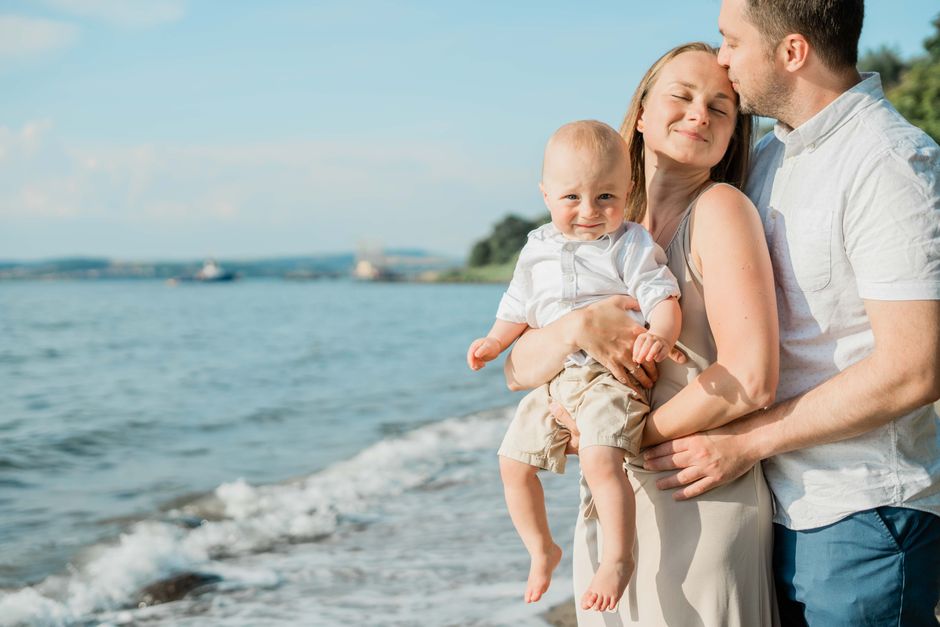
Getting Skeptical Grandparents On Board With Toddler Travel
You've found the perfect family-friendly resort. The flights are booked. Your toddler's passport is ready. Then you mention it to the grandparents, and the response is immediate: "That sounds lovely, but I think we'll sit this one out."
This conversation plays out in thousands of families. You're excited. They're resistant. And suddenly what should be a joyful planning process becomes a delicate negotiation nobody really wants to have.
Here's what this isn't about: winning an argument or proving them wrong. It's about understanding what's actually stopping them and speaking to concerns they might not even voice directly. Some of those concerns are practical. Others are emotional. Most are a mix of both.
What follows are strategies that actually work, not because they're clever persuasion tactics, but because they address what grandparents genuinely worry about when you suggest travelling with young children.
Why Grandparents Say No (And What They're Really Worried About)
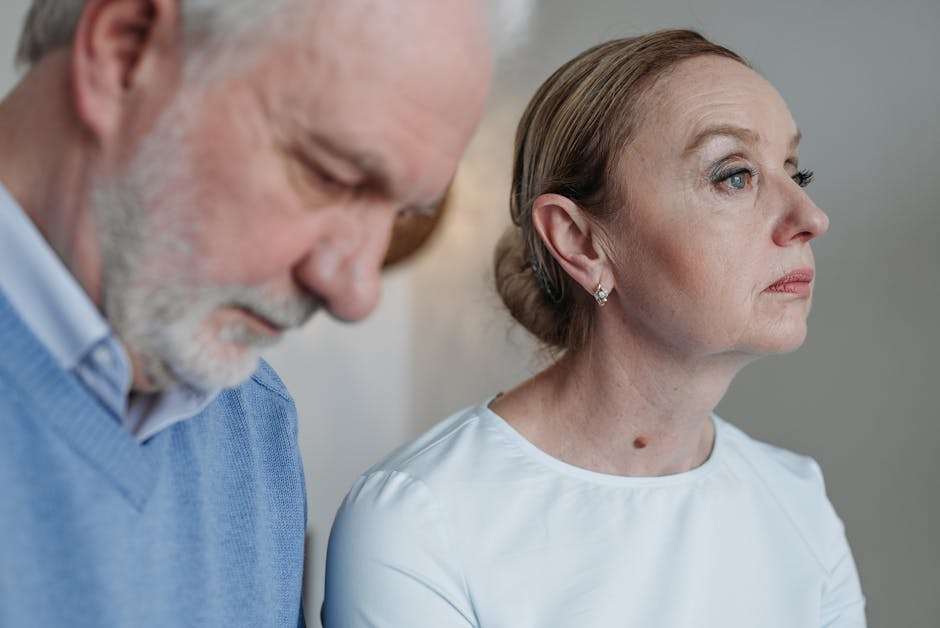
The stated reason is rarely the whole story. "It's too expensive" might really mean "I'm worried I won't be able to keep up physically." "The kids are too young to appreciate it" often translates to "I'm scared I'll be a burden on everyone."
Understanding the real objection is detective work. Many grandparents layer multiple concerns but won't voice all of them upfront, especially if those concerns make them feel vulnerable or old. They're not being difficult. They're protecting themselves from situations where they might struggle or slow everyone down.
The first step isn't countering their objections. It's figuring out what they're actually worried about. And then validating that those worries are legitimate, not irrational.
The health and mobility concerns they won't always admit
Pride is powerful. Many grandparents would rather decline entirely than admit they're worried about keeping up with a toddler's energy or managing long walks through airports. They don't want to be the reason you skip an activity or choose a less interesting destination.
If this applies to your situation, the unspoken worries might include: bathroom access in unfamiliar places, maintaining medication routines while travelling, fatigue that comes on unpredictably, or the fear of a medical emergency far from their regular doctors.
Not all grandparents face mobility challenges. But for those who do, these concerns are real and deserve respect, not dismissal.
Fear of being a burden on the family holiday
Grandparents often imagine themselves as the obstacle. They picture you wanting to explore a market or hike to a viewpoint while they need to rest. They worry about needing help with luggage or stairs but feeling too embarrassed to ask.
There's guilt wrapped up in this. They think: "The kids want adventure, and I'll hold them back." They imagine limiting your choices before you've even left home.
This fear is about identity. Nobody wants to be the person who ruins everyone else's fun.
The 'waste of money' mindset from a different generation
Many grandparents grew up valuing savings over experiences. They see a $3,000 trip and think: "Why spend that when the toddler won't even remember it? That money could go toward their education fund or a house deposit."
This isn't stinginess. It's genuine financial prudence shaped by different times. They lived through periods when discretionary spending on holidays was genuinely frivolous, not the norm it is now.
Don't mock this perspective. Acknowledge it comes from a place of wanting to protect the family's financial future. Then show them why this particular spending makes sense.
Speak Their Language: Frame Travel Around What They Actually Value

Stop defending your idea. Start connecting it with what grandparents already care deeply about.
This isn't manipulation. It's translation. You're showing them how travel delivers what matters to them: time with grandchildren, creating lasting memories, being part of their grandchild's story.
Different grandparents value different things. Some care most about legacy. Others about practical value. Some about being useful and needed. You'll need to customise your approach based on what drives them specifically.
The goal is genuine alignment, not just getting your way. When you're exploring Destinations that work for multigenerational travel, think about what would genuinely excite them, not just what works for you.
Position it as legacy time with grandchildren, not a holiday
Language matters enormously here. "Come on holiday with us" and "Help us create memories with the kids" land completely differently.
Grandparents worry about limited time with grandchildren as they age. They want to be remembered, to matter in their grandchild's life story. A trip positioned as "legacy time" speaks directly to that.
Try specific phrases: "We want the kids to really know you, not just see you at Christmas." Or: "These are the stories they'll tell their own children one day."
Instead of "Come to Bali with us," try "Help us show the kids the beach the way you showed us when we were little." The shift is subtle but powerful.
Connect destinations to their personal history or interests
Choose destinations that link to their past. Places they lived, their heritage, longtime interests. A grandparent who loves trains might genuinely get excited about a heritage railway trip. Someone with Italian ancestry might connect deeply with a regional Italian town their family came from.
This transforms them from "tagalong" to "expert guide" who adds genuine value to the experience. They're not just keeping up. They're contributing knowledge and context nobody else has.
Even small connections work. A grandparent who loves gardens will engage differently at botanical gardens than at a theme park. They'll have things to point out, stories to tell, expertise to share.
Show the maths: why this beats buying more toys the kids will forget
Add up what grandparents typically spend on birthday and Christmas gifts over a year. For many, that's $500–$800 on toys, books, and clothes the child will outgrow or forget.
Show how that same amount could fund their portion of a family trip instead. Frame it as redirecting existing spending, not asking for additional money. This removes the "waste" objection entirely.
Research consistently shows experiences create stronger memories and family bonds than material gifts. You're not asking them to spend more. You're asking them to spend differently, on something that lasts.
Remove Every Barrier They're Too Polite to Mention

Even if grandparents seem emotionally convinced, practical obstacles will kill the plan. You need to proactively solve problems they're too embarrassed or polite to raise.
Detailed planning shows respect for their concerns. It makes "yes" feel safe rather than risky. Don't wait for them to ask for accommodations. Anticipate and offer solutions first.
Present a detailed plan that addresses mobility and medical needs
Create a written itinerary showing rest time, proximity to medical facilities, and mobility-friendly activities. Research specific accommodations: ground-floor rooms, lifts, accessible bathrooms, nearby pharmacies.
Offer to arrange travel insurance that covers pre-existing conditions. Provide them with the policy details so they can see exactly what's covered.
Include backup plans: "If you're tired, here's what we'll do" or "We've found a quiet café nearby where you can rest while we do the active bit." Show them you've thought through scenarios where they might need to opt out of something without feeling guilty.
When you Compare different destinations, factor in these practical considerations from the start. It's easier to choose the right place than retrofit accessibility later.
Offer a trial run: start with a weekend away, not a two-week overseas trip
Suggest a short domestic trip first. Two nights within driving distance. This removes the "all or nothing" pressure and lets everyone see how the arrangement actually works.
Frame it as practice, not a test. Keep it positive and low-stakes. Success on a small trip builds confidence for bigger adventures later.
If the weekend goes well, you've got proof of concept. If it reveals challenges, you've learned them cheaply and can adjust before committing to something bigger.
Handle the money conversation without making it awkward
Address this directly: "We'd love you to join us, and we want to talk about costs upfront so there's no confusion."
Present clear options. They cover their own flights and accommodation. Or you cover everything. Or you split specific costs. Be explicit about what each option means in dollar terms.
If you're asking them to contribute, explain exactly what that covers and why it's reasonable. If you're covering costs, make it clear this is a gift you want to give, not charity. That distinction preserves their dignity.
When They're Still Hesitating: The Final Push That Works
Even after addressing concerns, some grandparents will still waver. This is normal. The final decision often comes down to social proof and autonomy, not more logical arguments.
Pushing too hard at this stage backfires. The approach needs to be gentle. Think nudges, not pressure tactics.
Use social proof from their peers who've travelled with family
Connect them with other grandparents who've done similar trips. Real conversations are more powerful than your reassurances. They'll ask questions you'd never think to address and get honest answers about what it's actually like.
Share specific stories from friends or family members in their age group who travelled with grandchildren. Show them online communities or articles featuring grandparents talking positively about multigenerational travel.
Don't use celebrity examples or obviously staged testimonials. Authenticity matters here. They need to hear from people like them, not from people with unlimited budgets and personal assistants.
Give them an out: make it their choice, not your pressure
Say explicitly: "We'd love you there, but we understand if it's not right for you. No pressure either way."
This paradoxically makes them more likely to say yes. It removes the feeling of being cornered or obligated. When people feel they have genuine choice, they're more willing to choose the harder option.
Offer a genuine alternative: "If you don't want to come, could we video call you from the trip?" or "Maybe you could join us for just part of it?" Respecting their autonomy strengthens the relationship regardless of their decision.
The One Thing That Matters More Than Your Perfect Argument
The most important factor isn't your persuasion skills. It's whether they genuinely feel wanted, not obligated.
Grandparents can sense when you're trying to "win" versus when you truly want them there for who they are. If this feels like a negotiation you need to win, they'll feel it. And they'll resist, even if they can't articulate why.
Sometimes the answer will be no. That's okay. Forcing it damages relationships. The goal is connection, whether that happens on a trip or in other ways they're comfortable with.
If you're planning family travel and want expert guidance on choosing destinations that work for multiple generations, Toddler Vacay specialises in helping families navigate exactly these challenges. Sometimes having a third party who understands both toddler needs and grandparent concerns makes all the difference.
The conversation about travel is really a conversation about time, legacy, and what matters while you still have it. Handle it with care. The trip itself matters less than the relationship you're building through how you approach it.