How to Vacation with a Toddler and Older Kids Without Losing Your Mind
Picture this: your toddler is melting down because they missed their nap by twenty minutes. Your eight-year-old is complaining that the beach is boring and wants to go snorkelling. Your ten-year-old just asked for the third time when you're doing something "actually fun." You're standing in a hotel lobby wondering why you thought a family holiday was a good idea.
This is one of the trickiest phases of family travel. Toddlers need structure. Older kids crave adventure. The gap between what a two-year-old can handle and what a nine-year-old wants to do feels impossibly wide.
But it's solvable. Not easy. Not perfect. But absolutely doable with the right approach. This article covers planning strategies, accommodation choices, and activity selection that actually work when you're managing wildly different ages. We won't promise perfection. We will show you how to stop the chaos from ruining everyone's trip.
Why Mixed-Age Family Holidays Feel Like Herding Cats (And Why They're Worth It)

The tensions are specific and relentless. Your toddler needs a midday nap. Your older kids are bouncing off the walls at 11am. Your toddler's attention span maxes out at fifteen minutes. Your ten-year-old wants to spend two hours at the aquarium. Your toddler eats at 5:30pm. Your older kids aren't hungry until 7pm.
Every decision becomes a negotiation between incompatible needs.
Here's the thing: this stage is temporary. In three years, your toddler won't need that nap. In five years, the age gap won't feel so extreme. But right now, you're in it. And family trips now often span multiple generations, making planning even more complex when you're juggling not just your kids but potentially grandparents too.
These trips create lasting family memories. They teach older kids empathy when they learn to accommodate a younger sibling's needs. They give your toddler exposure to new experiences while they're still forming their understanding of the world.
But let's not sugarcoat it. This is hard. Your frustration is valid. The key is building a framework that acknowledges the difficulty instead of pretending you can power through it.
Planning Backwards: Start with Nap Time, Build Around It
Here's the core principle that changes everything: toddler sleep needs dictate the framework. Everything else fits around it.
Not the other way around. Not "we'll try to squeeze in a nap if we can." The nap is the anchor. The non-negotiable. Because protecting nap time prevents the meltdowns that ruin everyone's day, including your older kids' activities.
When you're planning trips that require months of discussion to accommodate different ages and needs, this is where you start. What time does your toddler nap? How long do they sleep? What happens if they miss it?
Build your entire day around those answers. Don't suggest skipping naps or pushing through. That's not flexibility. That's sabotage.
Anchor Your Day with One Toddler-Friendly Activity
Schedule one morning activity that works for your toddler's attention span and energy level. One. Not three. Not a packed morning of toddler fun.
Beach time works brilliantly. Your toddler digs in the sand. Your older kids swim, build elaborate sandcastles, or explore rock pools. Everyone participates at their own level. Playground visits. Short nature walks where your toddler can stop and examine every leaf while older kids run ahead.
Keep this activity short. One to two hours maximum. Then return for nap time. Quality over quantity. Your toddler gets stimulation. Your older kids get outdoor time. Everyone's back before the toddler hits the wall.
Schedule 'Breakout Sessions' for Older Kids
While your toddler naps, your older kids get their adventure. This is when you split up.
One parent takes the older kids snorkelling. Or on a bike ride. Or to a museum. The other parent stays with the sleeping toddler, gets some quiet time, maybe reads a book. Creating smaller breakout groups allows for more intimate bonding and meets different needs without forcing everyone into the same activity.
This isn't missing out. It's giving everyone what they need. Your older kids get age-appropriate challenges. Your toddler gets rest. You get to actually enjoy the activity you're doing instead of managing competing demands.
Alternate which parent takes the older kids. Keep it fair. Give each parent different experiences with different children.
Book Accommodation That Does Half the Work for You
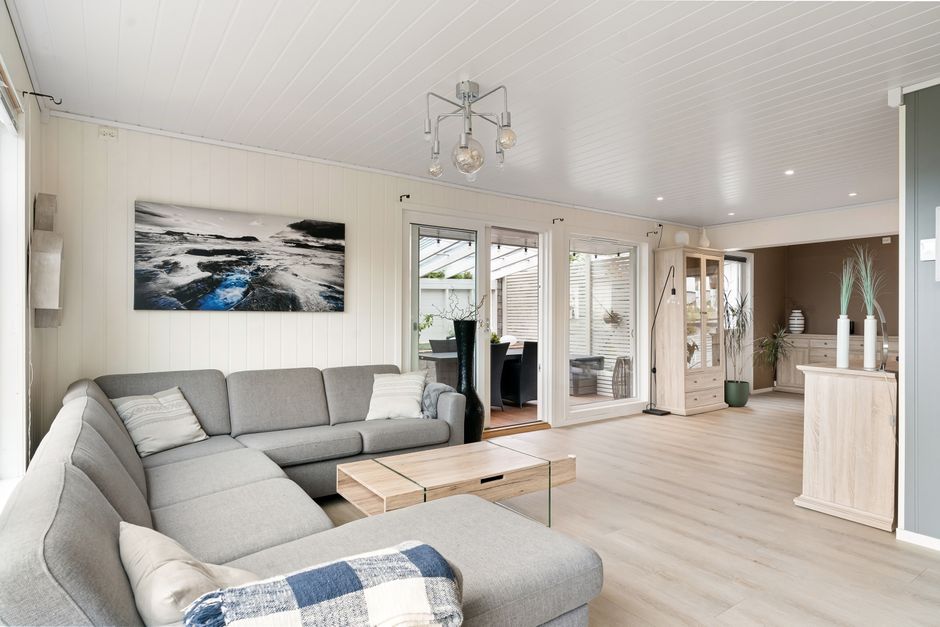
Your accommodation either enables your entire trip or sabotages it. There's not much middle ground when you're managing mixed ages.
The right setup reduces daily decision-making. It provides built-in solutions for different age needs. Accommodations with communal spaces and multiple bedrooms support better family interaction without forcing everyone into the same room at the same time.
This isn't about luxury. It's about functionality. About reducing friction before it starts.
Why Multiple Bedrooms Matter More Than You Think
Separate rooms allow your toddler to sleep without your older kids tiptoeing around. Your older kids don't get woken at 5:30am when your toddler decides it's morning. They get their own space to decompress, read, play quietly, without feeling restricted by toddler schedules.
Look for adjoining rooms. Apartments with separate sleeping zones. Configurations where the toddler's room isn't the only path to the bathroom.
Don't suggest everyone bunking together to save money. The cost of separate rooms prevents family tension. That's worth the extra $150 per night.
The Case for Renting Baby Gear Instead of Schlepping It
Renting baby gear and equipment saves travel hassle and costs while freeing up luggage space for things that actually matter.
Cots. High chairs. Strollers. Car seats. Beach toys. All available for rent in most tourist destinations. You arrive with less. You leave with less. Your older kids get more luggage allowance for their own gear and interests.
Many parents don't realise this is now widely available. Search for "baby equipment hire" plus your destination. Book it when you book accommodation. One less thing to manage at the airport.
All-Inclusive vs Self-Catering: Which Actually Reduces Stress?
All-inclusive resorts work when you want zero meal planning and built-in kids' clubs. They're recommended for stress-free multigenerational trips because someone else handles the logistics. But they limit spontaneity. You're eating when they serve. You're doing activities when they schedule them.
Self-catering suits families who need to work around toddler meal times and picky eaters. You control the schedule. Food delivery services save time and let you eat at 5:30pm without dragging everyone to a restaurant.
Neither option is superior. It depends on your specific family dynamics. Do you value flexibility or simplicity? Do you want to cook or completely switch off? Answer that honestly before you book.
Activities That Work for Everyone (Without Boring Anyone)

Finding activities that engage both a toddler and older kids simultaneously is the challenge. You're not looking for activities where everyone compromises. You're looking for activities where everyone participates at their own level.
Set realistic expectations. Not every activity will delight everyone equally. That's fine. The goal is engagement, not perfection.
Nature-Based Experiences: The Universal Sweet Spot
Nature-based experiences have calming effects and appeal to all age groups, from toddlers to grandparents. They naturally accommodate different energy levels and attention spans without forced participation.
Beach days where your toddler digs while your older kids swim. Easy bushwalks where your toddler can stop every three metres to look at rocks. Wildlife spotting. Farm visits where your toddler pets animals while older kids learn about farming.
Keep nature activities accessible and low-pressure. Don't recommend challenging hikes or remote locations. Stick to places with facilities, shade, and easy exits when your toddler's had enough.
Hands-On Activities That Bridge the Age Gap
Hands-on activities like cooking classes create bonding opportunities across ages. Pizza making. Pottery classes. Animal feeding. Simple craft workshops.
These give your older kids a sense of responsibility. They can help your toddler. Guide them. Feel useful. Meanwhile, your toddler stays engaged through sensory experiences: touching dough, patting clay, feeling animal fur.
Choose activities that don't require sustained focus or quiet. Prioritise interactive and forgiving formats where mistakes don't matter and everyone moves at their own pace.
When to Split Up (And How to Decide Who Goes Where)
Time apart maintains healthy group dynamics and offers personal space during trips. This isn't failure. It's strategic planning that makes everyone happier.
Here's the framework: high-energy or age-restricted activities warrant splitting. Low-key experiences work together. If the activity requires sustained attention, physical capability beyond what a toddler has, or involves potential danger, split up. If it's exploratory, sensory, or naturally self-paced, do it together.
Alternate which parent gets older-kid time. Keep things fair. Give each parent different experiences with different children. This prevents resentment and ensures everyone gets variety.
The Three Conversations to Have Before You Book Anything
Pre-trip alignment prevents mid-holiday conflicts and disappointment. Effective communication of goals and expectations is essential for harmonious group travel.
These conversations protect your investment. They ensure everyone's needs are considered. They're as important as booking flights. Don't skip them.
Set Expectations About Pace and Downtime
Travelling with mixed ages requires a slower pace. Sufficient downtime prevents exhaustion and allows for relaxation. Over-scheduling kills the holiday vibe faster than anything else.
Discuss what "a good day" looks like for each family member. Your older kids might picture non-stop activities. You might picture two activities with rest in between. Your toddler needs routine and familiar rhythms.
Align these expectations before departure. Downtime isn't wasted time. It's part of the holiday, not something to feel guilty about.
Let Each Child Pick One Non-Negotiable Activity
Involve everyone in planning by allowing each member to suggest at least one activity. This creates buy-in. It gives your older kids something to look forward to beyond toddler-paced activities.
Make even your toddler's "choice" visible. Maybe they "choose" the farm visit or the playground. Your older kids see fairness in planning, even if they understand the toddler's choice is parent-guided.
Don't let older kids pick activities that exclude the toddler entirely. Their choice happens during breakout time. The family activities need to work for everyone.
If planning feels overwhelming or you're not sure how to balance everyone's needs, Toddler Vacay specialises in creating family itineraries that actually work for mixed-age groups. Sometimes getting expert help means the difference between a trip that works and one that doesn't.
Your First Mixed-Age Trip Won't Be Perfect — And That's the Point
Success isn't executing a flawless itinerary. It's connection and memories. Something will go wrong. Your toddler will miss a nap. They'll have a tantrum in public. Your older kid will complain about something. That's normal.
These trips teach flexibility. They create family stories. The time your toddler threw their shoe in the ocean. The afternoon your older kids taught the toddler to build sandcastles. The morning everyone actually enjoyed the same activity.
You're not aiming for perfection. You're aiming for moments. For your older kids to remember that family holidays included everyone, even when it was hard. For your toddler to have early memories of adventure and exploration.
The challenge is worth it. Not because it's easy. Because it's temporary, and because you're building something that matters. Try it. Adjust. Try again. That's how you figure out what works for your specific family.
Ready to plan a family holiday that actually works for everyone? Toddler Vacay can help you design trips that balance toddler needs with older kids' adventures. Get in touch for practical guidance that makes mixed-age travel manageable.