The Best First Vacation Destinations for Toddlers (Without the Stress)
You've booked the flights. You've bought the travel cot. You're excited about your first proper family holiday since your toddler arrived. Then, somewhere around 2am the night before departure, panic sets in. What if they scream for four hours straight on the plane? What if they refuse to sleep anywhere that isn't their own bedroom? What if this entire trip becomes a expensive exercise in damage control?
This guide isn't about destinations that claim to be "family-friendly" because they have a kids' menu and a pool. It's about places designed around toddler rhythms: short attention spans, non-negotiable nap times, and the fact that your 18-month-old couldn't care less about cultural landmarks. Success here means everyone enjoys the trip, not just white-knuckling through it until you get home.
Why Your Toddler's First Trip Needs to Be Different (And Easier)
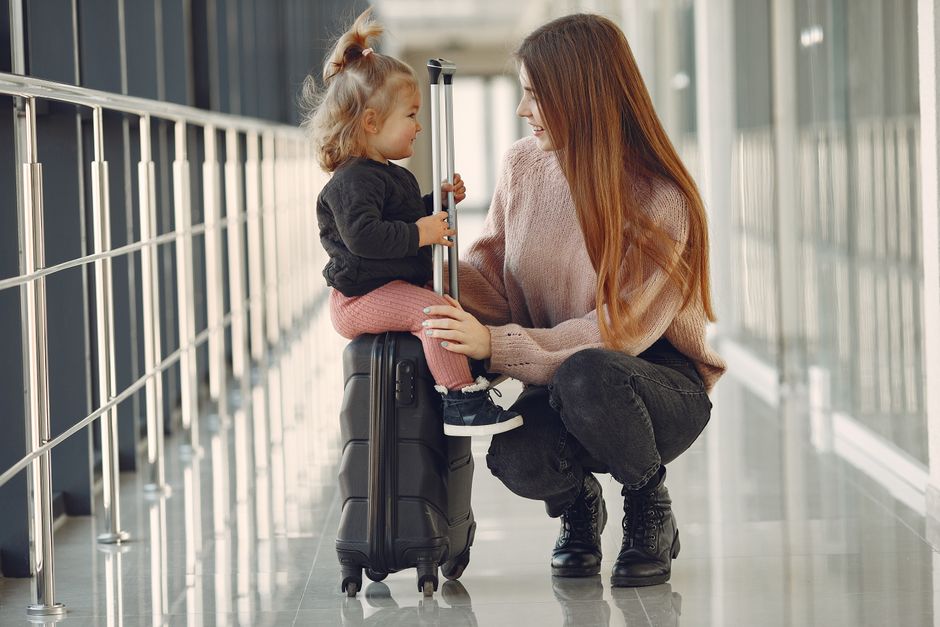
The beach resort that worked brilliantly for your pre-kids anniversary won't necessarily work now. Long flights clash with toddler patience limits. Packed itineraries ignore the reality of afternoon meltdowns. Late dinners at nice restaurants? Forget it. Your toddler hits peak chaos mode around 5pm, right when you'd normally be getting ready to head out.
Nap schedules aren't optional. Early bedtimes aren't negotiable. Attention spans max out at about 20 minutes before someone needs to run around or eat a snack or both simultaneously. These aren't problems to overcome. They're design constraints.
This first trip sets the tone for years of family travel. Make it positive and you'll feel confident tackling bigger adventures as your child grows. Make it traumatic and you'll be booking staycations until they're teenagers. You're not a failure if you haven't travelled yet with your toddler. You're also not doomed to stay home until they're school-aged. You just need to pick the right destination.
What Makes a Destination Actually Toddler-Friendly (Not Just Family-Friendly)
"Family-friendly" usually means activities for eight-year-olds who can follow instructions, wait in queues, and remember experiences. Toddler-appropriate is different. It means infrastructure that accommodates chaos, activities that work in 15-minute bursts, and the flexibility to abandon plans when someone decides they hate the beach today despite loving it yesterday.
Three criteria matter most: travel logistics that don't destroy everyone before you arrive, activity pacing that matches toddler energy patterns, and practical infrastructure that makes daily life manageable. Use these as a checklist for any destination, not just the ones listed here. If a place ticks all three boxes, it's probably going to work.
Short flights and minimal time zone chaos
Keep flights under three to four hours for first trips. Anything longer and you're managing a confined toddler for too long, which rarely ends well. Staying within one or two time zones prevents the jet lag disasters that ruin the first half of your holiday. Melbourne to Queensland takes two hours with no time change. Melbourne to Bali takes six hours and shifts time zones. The difference in stress levels is significant.
Toddler-paced activities (not just 'kid activities')
Toddler-paced means short bursts of activity, lots of downtime, and the freedom to leave halfway through if it's not working. Theme parks, museums, and structured tours require sustained attention that toddlers don't have. Better options: beaches with gentle waves, parks with playgrounds, animal encounters where you can leave after 10 minutes, simple nature walks that end whenever someone gets tired.
Easy logistics: naps, meals, and meltdown management
Accommodation needs a kitchen or kitchenette so you can provide familiar foods when restaurant options fail. Proximity to shops matters when you run out of the specific crackers your toddler will actually eat. Space for afternoon naps is non-negotiable. Walkable destinations or easy car hire help when you need to haul a nap-refusing toddler back to your room at 2pm. Accessible medical facilities provide peace of mind, even if you never need them. Focus on these practical factors. They reduce parent stress more than any resort amenity.
The Best First-Trip Destinations for Toddlers (By What You Actually Want)

These aren't ranked. They're matched to different parent preferences: beach relaxation, nature immersion, city convenience, or mild adventure. Each meets the core criteria above. Pick based on what sounds appealing to you, because if parents are miserable, everyone's miserable. For more options tailored to your family's specific needs, visit our Destinations page.
For beach lovers who need simple: Sunshine Coast, Queensland
Noosa Main Beach and Mooloolaba offer calm water perfect for toddlers who are still figuring out waves. Short flights from major cities, no time zone change, and infrastructure built for families: playgrounds everywhere, cafes with high chairs, easy parking, accommodation options with kitchens. Beach mornings, pool time in the afternoon, early dinners at casual restaurants. Hire a car for flexibility with nap times and gear transport. This is straightforward beach holiday territory without complications.
For nature without the stress: Lord Howe Island, NSW
Small, safe, and impossible to over-schedule because tourist numbers are limited. Gentle beach play, spotting fish in clear lagoons, short flat walks, no dangerous wildlife encounters. Two hours from Sydney or Brisbane. The pace suits toddler rhythms because there's simply not that much to do, which is exactly the point. It's expensive, yes. But stress-free nature immersion with a toddler is worth paying for.
For city breaks with toddler infrastructure: Singapore
Clean, safe, excellent public transport, widespread English. Gardens by the Bay works if you skip the full tour and just enjoy the outdoor gardens. Sentosa beaches provide easy water play. Hawker centres offer simple meals without the pressure of formal dining. The seven to eight hour flight is the trade-off, but the two to three hour time difference is manageable. Stay in one area like Sentosa or Marina Bay to minimise transit with toddlers. Singapore proves that city breaks can work if the infrastructure is right.
For adventure parents who still want easy: Fiji
Tropical adventure feel without complex logistics. Four to five hours from Australia's east coast. Toddler-friendly resorts with kids' clubs, shallow beaches, and flexible dining times. Snorkelling in knee-deep water feels adventurous to toddlers. Boat trips to nearby islands work because they're short. Resort pool time provides the downtime you need. Minimal time zone difference (two hours) helps avoid jet lag. This is the sweet spot for parents who want something beyond a domestic beach trip but aren't ready for complicated international travel.
For cooler climates and gentle exploring: Tasmania
Ideal if you prefer cooler weather and want to avoid beach-focused holidays. Bonorong Wildlife Sanctuary, short walks to waterfalls, Hobart's Salamanca Market, easy coastal drives. One to two hours from Melbourne or Sydney, no time zone change, familiar Australian infrastructure. Hire a car and keep daily plans simple: one activity, one meal out, plenty of accommodation downtime. Tasmania works because it's genuinely interesting for adults while remaining manageable for toddlers.
What to Skip on This First Trip (Save It for When They're Four)
These aren't bad destinations. They're just poorly timed for toddlers. Skipping them now doesn't mean missing out. It means waiting until your child can actually enjoy them. When you're ready to plan your next adventure, use our Compare tool to evaluate destinations side by side.
Theme parks and overstimulation traps
Crowds, queues, noise, overstimulation, and height restrictions that exclude toddlers from most rides anyway. They won't remember the experience. You'll end up stressed for no lasting benefit. Wait until age four or five when they can handle the environment and actually enjoy what's on offer.
Long-haul flights and big time zone jumps
Flights over five to six hours or destinations with five-plus hour time differences compound stress. You manage the toddler on a long flight, then deal with jet lag that ruins the first half of your holiday. Europe, the US, and other long-haul destinations are amazing. Just not ideal for a toddler's first trip.
Packed itineraries and 'must-see' pressure
The temptation to cram in sightseeing because "we're already here" backfires with toddlers. Plan one activity per day maximum. Build in flexibility to skip it if your toddler is having an off day. Success is measured by family happiness, not ticking off attractions. You can want to see things. Just recalibrate expectations about how much is realistic.
The Real Win: Building Confidence, Not Ticking Boxes

This first trip proves to yourselves that family travel is possible and enjoyable. A successful low-stress trip builds confidence for more ambitious adventures as your child grows. This won't look like your pre-kids holidays. That's fine. It's a different kind of rewarding. Start simple, enjoy the small moments, and trust that this is the foundation for years of family adventures. For more inspiration and planning resources, visit our homepage.