How to Share Vacation Photos Without Spending Your Whole Trip on Your Phone
You're standing at the beach. Your toddler is building a sandcastle, calling out for you to look. But you're hunched over your phone, trying to get the perfect shot for the family group chat. By the time you look up, the moment's gone.
This isn't about phone addiction or being a bad parent. It's about the genuine tension between wanting to share these precious moments with loved ones and actually being present for them. Grandparents want updates. Your sister wants photos. You want to remember this. But somewhere between capturing, editing, and posting, you've missed half the holiday.
The good news? You don't have to choose between sharing and being present. You just need a better system.
The Photo Paradox: You're Capturing Memories But Missing Them

Picture this: you're at the theme park. Your three-year-old spots their favourite character. Their face lights up. You fumble for your phone, open the camera, try to get the angle right. By the time you're ready, the character has moved on and your child is tugging at your sleeve, disappointed.
You got the photo. You missed the moment.
Research on mindfulness shows that technology often distracts from present-moment awareness. We're so focused on documenting that we forget to actually experience. The irony cuts deep: we take photos to preserve memories of moments we weren't fully present for in the first place.
Your kids notice. They see when you're looking at a screen instead of them. It creates tension during what should be quality family time. And here's the thing: nobody's suggesting you stop sharing altogether. Keeping family updated matters. Sharing joy is natural. The problem isn't the sharing itself, it's the constant pull to document everything in real-time.
Set Your Sharing Rhythm Before You Leave Home
The single biggest mistake parents make is winging it. No plan means you're constantly thinking about when to post, what to share, whether you've updated everyone. That mental load follows you everywhere.
Pre-planning isn't about being rigid. It's about setting boundaries that protect family time while still keeping loved ones in the loop. When you know exactly when you'll share photos, you stop worrying about missing the perfect posting window. The anxiety disappears.
Decide who needs updates and how often
Not everyone needs the same level of access to your holiday. Grandparents genuinely want daily updates. Your work colleagues? They can wait until you're back.
Create a small group chat for close family. This is where grandparents, siblings who actually care, and maybe your best friend get the real-time snippets. Everyone else gets an occasional public post when you feel like it, not because you feel obligated.
Be honest about frequency. Once daily is realistic. Every other day is fine too. Constant updates aren't sustainable, and they're not what your family needs from this trip. What they need is for you to come home with stories about what you actually did, not just what you photographed.
Choose one sharing window per day (and stick to it)
Pick a specific time that doesn't interrupt family activities. Early morning before breakfast works. Kids' quiet time in the afternoon. After they're asleep in the evening. The actual time doesn't matter as much as having one.
This approach aligns with time-blocking techniques that help prevent burnout and maintain focus. When you have a designated window, you're not constantly thinking "I should post this now." You know you'll handle it at 7pm, so you can forget about it until then.
Set a phone alarm. Seriously. It removes the mental burden of remembering and prevents the "just quickly check" habit that derails everything. You check once, you post, you're done.
Tell family and friends your plan so they don't expect real-time updates
Send a message before you leave: "We're heading off tomorrow. I'll share photos once a day around dinner time, but won't be checking messages much. Can't wait to tell you all about it when we're back!"
This isn't defensive. It's considerate. You're managing expectations so Grandma doesn't worry when you haven't posted by lunchtime. It also models healthy phone boundaries for extended family, which matters more than you might think.
When people know the rhythm, they stop expecting immediate responses. The pressure lifts. You can actually enjoy your holiday.
Capture Now, Curate Later: The Two-Phase Approach
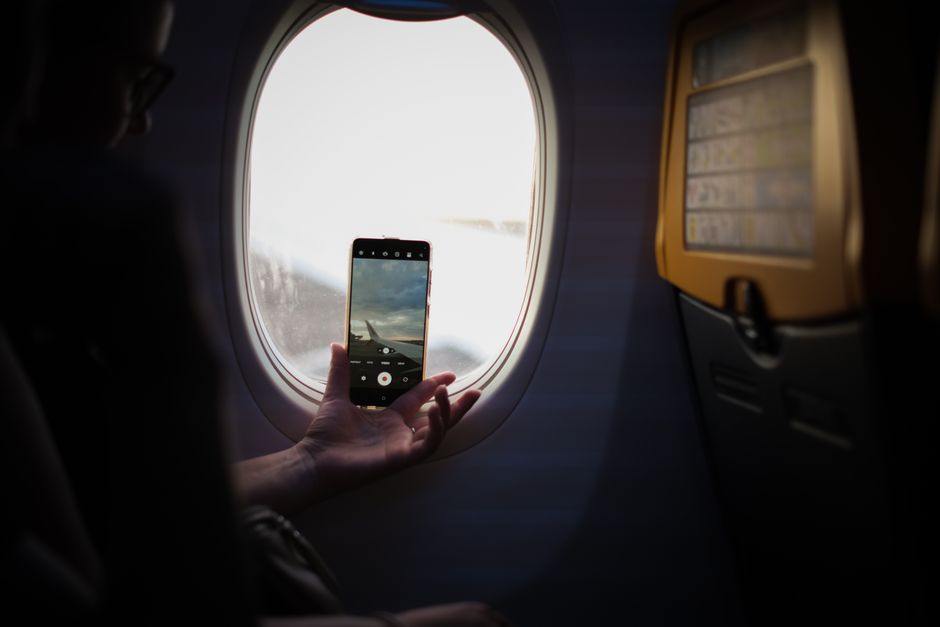
Separate photo-taking from photo-sharing. They're two completely different activities, and treating them as one is what gets you stuck scrolling at the beach.
When you detach from smartphones during experiences to observe surroundings, you stay connected to what's actually happening. Your phone becomes a camera, not a portal to social media. This is how cameras worked before smartphones, and it worked fine.
Use your phone like a camera, not a social media device
Enable airplane mode before you start taking photos. Or use Do Not Disturb. The goal is simple: no notifications while you're capturing moments.
Open only the camera app. Not Instagram. Not Facebook. Just the camera. This sounds obvious, but it's harder than it seems. We're trained to open social apps automatically. Breaking that habit requires intention.
Turn off app badges and notifications for the entire holiday. You don't need to see that someone commented on yesterday's post while you're trying to enjoy today. At Toddler Vacay, we've seen countless families transform their travel experience simply by removing these constant digital interruptions.
Take 3-5 quick shots, then put the phone away
Three to five photos. That's it. Not thirty. Not "just one more."
This creates a natural limit. Research suggests taking three deep breaths can calm the nervous system. Apply the same principle to photos. Three shots forces you to be intentional rather than compulsive.
Trust that you've captured it. Don't review the photos immediately. Don't zoom in to check if everyone's eyes are open. You'll sort that out later. Right now, your job is to put the phone back in your pocket and return to your family.
Have a designated spot where the phone goes. Front left pocket. Zippered section of the beach bag. Somewhere specific. This removes the temptation to "just quickly check."
Save editing, captioning, and posting for designated downtime
Hotel room before dinner. Poolside while the kids are swimming with your partner. Evening after everyone's asleep. These are your editing windows.
Batching this task makes it more efficient. You're not context-switching constantly between family time and phone time. You sit down, select the best photos, write a quick caption, post, and you're done in ten minutes.
Distance from the moment often leads to better photo selection anyway. What felt important in the moment might not be the shot you actually want to share. A bit of time gives you perspective.
Don't overthink captions. Quick and genuine beats perfectly crafted every time.
Let Your Kids Be Your Accountability Partners
Your kids already complain when you're on your phone. Instead of getting defensive, use it.
They're naturally more present-focused than adults. They notice when you're distracted. Rather than seeing this as nagging, reframe it as helpful accountability. They're doing you a favour by calling you back to the moment.
This also models healthy tech habits they'll carry into their own lives. When they see you actively choosing to put the phone away, they learn that presence matters more than documentation.
Give them permission to call you out when you're scrolling
Before the trip, have a conversation. "I want to be really present with you on this holiday. If you see me on my phone too much, I want you to tell me. Can you help me with that?"
Create a gentle code phrase. "Mum, you're missing it" works. So does "Phone parking time." Something that's direct but not confrontational.
The critical part: respond positively when they call you out. Don't get defensive. Don't say "I was just quickly checking." Say "You're right, thank you" and put the phone away. This builds trust and shows them their presence genuinely matters more than whatever's on the screen.
Create a family 'phone parking spot' during activities
Designate a physical location where all phones go during key activities. The beach bag. The hotel safe. The zippered pocket of the backpack. Somewhere out of immediate reach but not completely inaccessible.
Make it a ritual: "Phones in the bag, everyone ready for the beach?" This creates a level playing field, especially if older kids have devices too.
Research shows that creating dedicated spaces and boundaries supports mindfulness and helps maintain focus. The physical act of putting the phone somewhere specific removes temptation. You're not relying on willpower alone.
You can still grab it for those 3-5 quick photos. But it goes straight back to the parking spot afterwards.
The Photos That Matter Most Are the Ones You're Actually In

Here's what nobody tells you: your kids won't remember the perfectly composed shot of the sunset. They'll remember whether you played with them in the waves.
The best memories come from being present, not from perfect documentation. When you're engaging your senses and being aware of the present moment, you're creating the experiences worth remembering in the first place.
Ask someone else to take family photos. A stranger at the beach. Another parent at the playground. Hotel staff. Get yourself in the frame instead of always being behind it. These are the photos your kids will treasure later, the ones where everyone's together.
Sharing photos matters. Keeping family connected matters. But it shouldn't cost you the actual experience. Finding this balance is ongoing and imperfect. Some days you'll nail it. Other days you'll realise you've been scrolling for twenty minutes while your toddler played alone.
That's normal. What matters is having a system that makes presence the default, not the exception. At Toddler Vacay, we help families plan holidays that prioritise connection and create genuine memories, not just photo opportunities. Ready to plan your next family adventure with intention? We can help you design a trip that works for everyone.
The photos will be there. The moments won't wait. Choose accordingly.