
What to Do When Your Family Vacation Goes Wrong (And How to Get Help Fast)
When the Dream Trip Becomes a Nightmare (And You're Still 10,000km From Home)

You've spent months planning. The flights are booked, the accommodation sorted, the kids are excited. Then your toddler spikes a 39-degree fever in Bali, or your connecting flight gets cancelled in Singapore with no rebooking options, or someone lifts your wallet in Rome and suddenly you're without cards, cash, or your children's passports.
This is when family travel stops being an adventure and starts feeling like a crisis you're managing alone in a country where you don't speak the language.
The difference between a salvageable situation and a complete disaster often comes down to what you do in the first hour. Not the first day. The first sixty minutes.
Most parents freeze. They try to fix everything themselves, spend money they shouldn't, or contact the wrong people in the wrong order. By the time they reach out for proper help, they've already made decisions that complicate everything else.
Your First Hour: The Immediate Actions That Prevent Small Problems From Becoming Disasters

Stop, assess, and get everyone to safety first
Your instinct will be to solve the problem immediately. Resist it.
If someone's injured, get them stable. If you're in an unsafe location, move. If your kids are panicking, get them somewhere quiet where they can sit down and drink water. Everything else can wait five minutes.
Safety first sounds obvious. It rarely is when you're standing in a crowded airport terminal with three crying children and a cancelled flight.
Document everything while details are fresh (photos, receipts, names)
Take photos of everything. The cancelled flight board. The hotel room that doesn't match what you booked. The medical report. The police station. Every receipt, every document, every interaction.
Write down names. The airline staff member who told you there were no other flights. The hotel manager who refused a refund. The doctor who treated your child. Get badge numbers if you can.
You think you'll remember. You won't. Two days later, when you're trying to file an insurance claim or dispute a charge, the details blur together.
This documentation is what separates successful claims from rejected ones.
Contact your travel insurer before spending money on solutions
This is the step most families skip, and it costs them thousands.
You see a problem, you fix it, you pay for it, then you try to claim it back later. The insurer looks at your claim and says you didn't get pre-approval for that expense, or you chose a solution that wasn't covered, or you didn't follow the correct process.
Call your insurer's emergency line before you book the replacement flight, before you check into the new hotel, before you agree to the medical procedure. They'll tell you what's covered, what requires approval, and what you'll be paying for yourself.
Yes, it takes time. Yes, you're stressed. Do it anyway.
When You Need Outside Help: Who Actually Answers the Phone in a Crisis
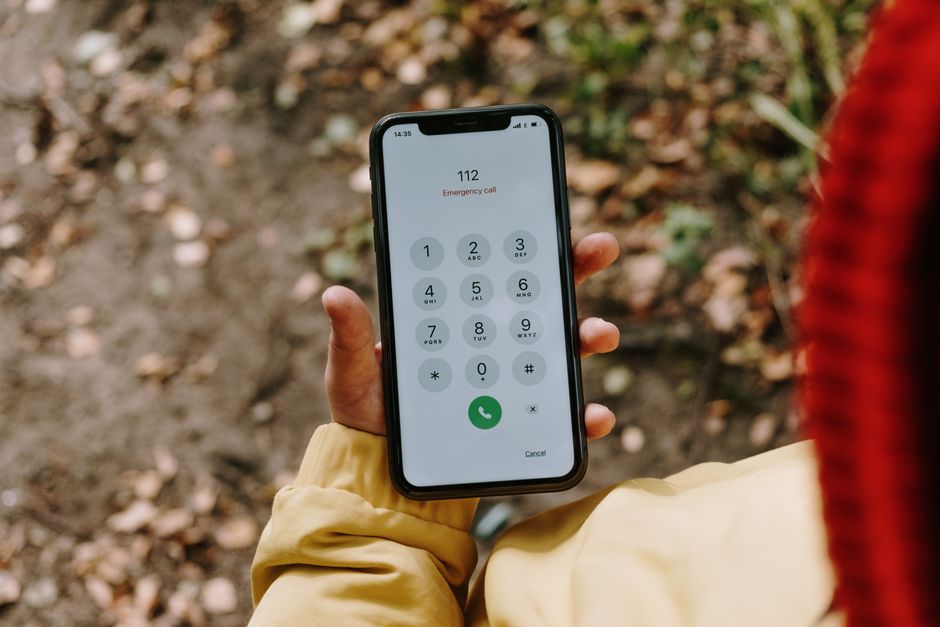
Your insurer's emergency assistance line (and what they will and won't cover)
Your travel insurance policy has an emergency assistance number. It should be saved in your phone before you leave Australia, along with your policy number.
What they will help with: medical emergencies, evacuation, emergency accommodation if your original booking falls through, replacement travel if you're stranded due to circumstances beyond your control.
What they won't cover: problems you created yourself, expenses you incurred without contacting them first, situations that were foreseeable when you booked, or activities your policy specifically excludes.
Read your policy before you travel. Actually read it. Most families don't, then discover mid-crisis that their adventure activities aren't covered or their pre-existing medical conditions void their claim.
Smartraveller and DFAT support for Australians overseas (registration, emergency passports, local contacts)
If you're overseas during a crisis, register your details on Smartraveller to receive updates and advisories. The Department of Foreign Affairs and Trade can provide lists of local doctors, hospitals, and lawyers for Australians in crisis abroad.
DFAT can help with emergency passports if yours are lost or stolen. They can provide limited financial assistance in extreme circumstances, though they won't cover your personal expenses or replace your holiday budget.
They're not a travel agency. They won't rebook your flights or find you accommodation. But if you're genuinely stuck, they can connect you with local resources and provide consular support.
Smartraveller might recommend that you contact family and friends for assistance before contacting the government. Have those backup contacts ready.
Local authorities, consulates, and when to involve them
If something's been stolen, you need a police report for insurance purposes. File it immediately, even if you don't expect the items to be recovered.
If you're dealing with a serious medical emergency, local authorities can direct you to appropriate facilities. Don't assume the closest hospital is the right one, especially in countries where healthcare quality varies significantly.
The Australian consulate can't get you out of legal trouble, but they can ensure you're treated fairly under local law and connect you with English-speaking legal representation.
The Problems You Can Actually Fix Yourself (And the Ones You Can't)
Missed connections, cancelled tours, and accommodation issues you can resolve on the spot
Some problems are frustrating but solvable without outside intervention.
Missed a connection due to a delayed first flight? The airline should rebook you automatically. If they don't, go to the service desk immediately. Don't leave the airport assuming it's sorted.
Tour operator cancelled your booking? Request a full refund in writing, then find an alternative. Most tour companies will process refunds within a few days if you have documentation.
Hotel room doesn't match what you booked? Take photos, speak to the manager, request an upgrade or partial refund. If they refuse, document everything and dispute the charge with your credit card provider when you return.
These situations are stressful, but they're transactional. You can handle them.
Medical emergencies, lost passports, and serious incidents that need expert intervention
Other problems require immediate professional help.
A child with a high fever, breathing difficulties, or a serious injury needs medical attention now. Don't try to manage it yourself or wait to see if it improves. Contact your insurer's emergency line, get directed to an appropriate facility, and go.
Lost or stolen passports require consular assistance. You can't just replace them at a local shop. Contact the nearest Australian embassy or consulate immediately.
Serious incidents like accidents, assaults, or natural disasters require coordinated response. This isn't the time to figure it out yourself.
Managing kids' emotions and expectations when plans fall apart
Your children don't understand why the holiday they were promised isn't happening. They don't care about travel insurance or rebooking policies. They're disappointed, confused, and probably scared.
Be honest with them in age-appropriate terms. "The flight got cancelled, so we're staying here tonight and flying tomorrow instead. It's frustrating, but we'll make it work."
Give them something to focus on that isn't the problem. A new activity, a special meal, screen time you'd normally restrict. This isn't the moment to maintain your usual rules.
Keep them fed, hydrated, and rested. Tired, hungry children make every crisis worse.
If you're struggling to manage both the logistics and your children's reactions, this is where having expert support makes a real difference. Toddler Vacay specialises in helping families navigate travel challenges with young children, providing practical guidance when plans fall apart and you need solutions that actually work for families.
What You'll Tell This Story Differently in Six Months
Right now, it feels like a disaster. In six months, it'll be the story you tell at dinner parties.
Not because the situation wasn't serious, but because you handled it. You got everyone home safely. You learned what actually matters when things go wrong.
The families who manage travel crises well aren't the ones who never encounter problems. They're the ones who prepare properly, act decisively in the first hour, and know when to ask for help.
They have comprehensive travel insurance that covers their specific circumstances. They've registered with Smartraveller before they leave. They've saved emergency contact numbers in their phones. They've talked through basic scenarios with their kids before departure.
They don't panic when something goes wrong because they've already thought through the response.
If you're planning family travel and want to avoid the common mistakes that turn minor problems into major crises, Toddler Vacay can help you prepare properly. We work with families to plan trips that account for realistic challenges, not just ideal scenarios. Get in touch before your next trip to ensure you're genuinely ready for what might go wrong.