Cruises or Resorts: The Better Choice for Toddler Families
You've got a one-to-three-year-old and you're trying to decide between a cruise and a resort. Both options promise relaxation, family fun, and memories. Both will cost you thousands. And both could go spectacularly wrong if you pick the one that doesn't match your toddler's reality.
This isn't about which option is objectively better. It's about which one actually works for your specific child, your tolerance for chaos, and what you're honestly hoping to get out of the trip. Because here's the truth: toddlers won't remember this holiday. But you'll remember whether it was the week you finally relaxed or the week you spent chasing a screaming child through unfamiliar corridors.
The Toddler Holiday Dilemma: Why This Choice Actually Matters
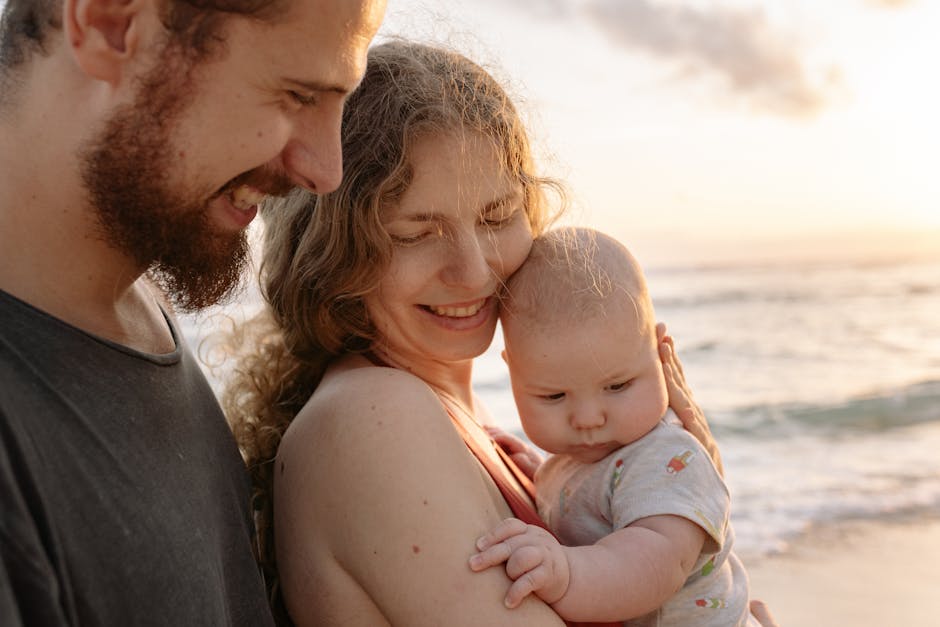
Holidays with toddlers are not scaled-down versions of adult holidays. They're a different species entirely. Your toddler needs naps at inconvenient times. They have meltdowns over invisible problems. They can't swim, can't be reasoned with, and will absolutely try to eat sand.
Choose wrong and you've spent $4,000 on a week of stress. You'll be the parents eating dinner in shifts in your cabin while your toddler screams. Or the ones who never leave the resort room because your child refuses to nap anywhere else.
The stakes are real. This isn't about creating magical memories your toddler will cherish. It's about whether you come home feeling like you actually had a break or like you just survived a very expensive endurance test.
Most travel advice romanticises this. We won't. Toddlers are exhausting. They're unpredictable. And taking them on holiday requires accepting that your idea of relaxation and theirs are completely different things.
What Toddlers Actually Need on Holiday (And What Parents Think They Need)
Marketing tells you toddlers need enrichment, adventure, and stimulating experiences. What they actually need is a safe space to run around, food they'll eat, and parents who aren't completely frazzled.
The criteria that matter: Can you maintain some version of their routine? Is the environment physically safe without constant intervention? Are there activities that work for their attention span? Can you get food into them without a fight? And critically, when things go wrong, can you recover?
Every toddler is different. Some adapt to new environments instantly. Others spiral without their usual structure. But certain needs are universal at this age. They can't regulate their emotions. They can't communicate clearly. And they have no concept of why they should sit still during a three-course meal.
Predictable routines vs. constant novelty
Toddlers thrive on routine. Holidays destroy routine. That's the fundamental tension.
Cruises offer the same cabin, the same dining times, the same kids' club location every day. The environment changes outside, but your base stays consistent. Resorts can offer this too, but only if you're disciplined about creating structure. It's easier to maintain nap schedules when you're in the same room every day rather than exploring a new port.
Some toddlers adapt quickly. They'll nap in a stroller, eat whatever's available, and roll with constant change. If that's your child, novelty works. If your toddler needs their specific blanket, their usual bedtime routine, and familiar surroundings to sleep, constant change will wreck you both.
Contained spaces vs. sprawling freedom
A cruise ship is a floating building. Your toddler can't wander off the property. There are boundaries. Resorts, especially beach resorts, are the opposite. Open grounds, multiple pools, beach access, restaurants scattered across acres.
Cruise ship safety concerns: railings, stairs, other passengers. Resort safety concerns: pools, ocean, getting lost, other guests' drinks left at toddler height. Neither is inherently safer. But one requires constant vigilance across a much larger area.
If you've got a runner, a cruise ship is easier to manage. If your toddler is content to stay close, a resort's space might feel less claustrophobic. The exhaustion factor is real. Chasing a mobile toddler through a sprawling resort for seven days will destroy you.
The 'always something to do' factor
Toddlers need constant stimulation. They also get overstimulated and melt down. Too many options isn't helpful. It's overwhelming.
Cruises win on rainy days. There's always somewhere to go, something to do, without leaving the ship. Resorts can feel limiting when weather turns. You're stuck in your room or fighting crowds in the one indoor play area.
But cruises can also feel relentless. There's always another activity, another show, another thing you could be doing. Some families find that exhausting. Resorts offer the option to do absolutely nothing, which with a toddler might be exactly what you need.
Cruises: Where They Win (And Where They Absolutely Don't)

Cruises solve specific problems brilliantly. You unpack once. You don't need to organise car seats and transfers with a mountain of toddler gear. Entertainment is built in. The environment is contained.
But they create other problems that cruise marketing conveniently ignores. Formal dining with a two-year-old. Port days that conflict with nap schedules. Kids' clubs that sound perfect until you read the fine print.
Cruises work brilliantly for some toddler families. Usually the ones with adaptable kids, realistic expectations, and a willingness to skip half the advertised activities.
The kids' club reality: who actually uses it with toddlers
Most cruise kids' clubs have minimum age requirements. Often two or three years. Some accept younger toddlers but with parent supervision required, which defeats the purpose.
Even when your toddler meets the age requirement, they might not be ready. Separation anxiety peaks between 18 months and three years. Leaving your child with strangers in an unfamiliar setting often goes badly.
The parent break that cruise marketing promises? It happens for some families. For many others, the kids' club becomes another source of stress. Your toddler screams when you try to leave. Or they're fine for 20 minutes then need collecting. Or they're one of six toddlers with two staff members, which isn't the ratio you'd hoped for.
Some cruise lines handle toddlers better than others. Research the specific ship, not just the cruise line. Newer ships often have better facilities and higher staff ratios.
Dining with a two-year-old in formal settings
Formal dining rooms expect you to sit for 90 minutes across multiple courses. Toddlers last about 12 minutes before the meltdown starts.
Buffets work better. You can get in and out quickly. You can see the food before committing. Your toddler can eat the three things they'll actually consume without you having to explain to a waiter that yes, they really do just want plain pasta.
Reality check: you'll probably eat in shifts some nights. One parent takes the toddler back to the cabin. The other eats quickly in the dining room. It's not romantic. But it's functional.
Newer cruise ships have better casual dining options. Multiple quick-service venues, grab-and-go options, flexible timing. Older ships often push you toward the formal dining room, which with a toddler is a recipe for stress.
The nap schedule vs. port day problem
Port excursions typically run 10am to 2pm. That's exactly when your toddler naps. You can skip the nap and deal with an overtired, miserable child for the rest of the day. Or you can skip the port entirely.
Some parents find the ship quieter and more enjoyable during port days. Pools are empty. Restaurants aren't crowded. Your toddler can nap in the cabin while you actually relax.
But if you're paying for a cruise specifically to see different destinations, missing half of them because of nap schedules feels wasteful. This is where knowing your toddler matters. If they can nap in a carrier or stroller, port days work. If they need their cot and complete silence, you're staying on the ship.
Resorts: The Unexpected Challenges Nobody Mentions

Resorts seem like the obvious choice. More space. More flexibility. No formal dining requirements. But they have complications that only become apparent once you're there.
The all-inclusive resort that doesn't stock chicken nuggets. The kids' club that starts at age four. The pool that's perfect for older children but terrifying for toddlers. These aren't dealbreakers, but they're frustrations you didn't budget for.
Many families have excellent resort experiences with toddlers. Usually because they've chosen carefully, set realistic expectations, and accepted that they won't use half the resort's facilities.
When 'all-inclusive' doesn't include toddler food they'll eat
Resort buffets at international destinations often feature local cuisine. Which is great for adults. Less great when your toddler will only eat five specific foods and none of them are on offer.
Finding plain pasta, chicken nuggets, or familiar foods can be surprisingly difficult. Some resorts have kids' menus. Some don't. Room service might solve this, but it's not always included in all-inclusive packages.
This sounds trivial until you're on day three and your toddler hasn't eaten a proper meal because everything is too spicy, too unfamiliar, or too adventurous. Some resorts cater well to young children. Others assume kids will eat what's available. Research this before booking.
The pool vs. beach safety calculation
You cannot relax at either location. That's the starting point.
Pools require constant supervision. Toddlers can drown in seconds in shallow water. Resort pools designed for older kids often have depths that aren't safe for toddlers. Some resorts have dedicated toddler pools with better depth and safety features. Most don't.
Beaches add waves, sand-eating, running off, and the impossibility of maintaining visual contact when your toddler is moving. The romantic image of watching your child play in the sand while you read a book? It doesn't happen. You're on high alert the entire time.
Neither option is relaxing. But pools are at least contained. Beaches require a level of vigilance that's genuinely exhausting.
Why 'kids' activities' often start at age 4
Many resort kids' clubs have minimum age requirements that exclude toddlers. The activities marketed as family-friendly are often designed for school-age children. Face painting, craft sessions, sports activities all assume a level of coordination and attention span that toddlers don't have.
What do you actually do all day at a resort with a toddler if organised activities aren't available? You improvise. Playgrounds, if they exist. Pools, with constant supervision. Walks around the property. It works, but it's not the activity-packed experience the brochure suggested.
Some resort chains handle toddlers better than others. All-inclusive family resorts in Australia often have better toddler-specific programming than international beach resorts. Worth researching before committing.
The Real Question: Which Matches Your Toddler's Temperament
There's no universal better option. Only better fit. The decision depends on your specific child's personality, your family's priorities, and what you're honestly hoping to achieve.
If you're struggling to figure out which option suits your family, Toddler Vacay specialises in helping parents navigate exactly this decision. They assess your toddler's temperament, your travel style, and match you with options that actually work.
High-energy explorer vs. routine-dependent homebody
Adventurous, adaptable toddlers might thrive with cruise variety. New ports, different activities, constant change. If your child handles new environments well at home, they'll probably handle them on holiday.
Anxious toddlers who need consistency might prefer resort predictability. Same room, same pool, same routine every day. If your child struggles with change at home, a cruise's constant novelty will likely overwhelm them.
Most toddlers fall somewhere in the middle. They can handle some change but need some consistency. That's where your judgement matters. You know your child better than any article can.
The 'one bad day' recovery factor
Toddler holidays inevitably include disasters. Meltdowns, illness, terrible sleep, inexplicable tantrums. The question isn't whether these will happen. It's how easy it is to recover.
Cruises offer limited flexibility. You can't change your itinerary. You can't leave early. If your toddler gets sick, you're stuck on a ship. But you also have medical facilities, other families dealing with the same chaos, and the option to just stay in your cabin while the ship keeps moving.
Resorts offer more flexibility. You can skip activities, stay in your room, change your plans entirely. But you're also more isolated. If things go badly wrong, you're managing it alone.
This factor often matters more than parents anticipate. One bad day can derail an entire holiday if you can't reset. Think about which environment gives you better recovery options.
Which One Actually Worked: Three Families, Honest Verdicts

Sarah and Tom took their 18-month-old on a seven-day cruise. Their daughter adapted instantly. Napped in the cabin without fuss. Loved the kids' club. Ate whatever was available. They used the kids' club for two hours each afternoon, actually relaxed by the pool, and came home feeling like they'd had a proper break. Their verdict: cruise was perfect, but only because their daughter's temperament suited it.
Emma and James chose a resort in Queensland with their two-year-old son. He needed his usual routine, his specific foods, and familiar surroundings to sleep. The resort let them maintain structure. Same room, same pool time, same meal schedule. They didn't use half the resort's facilities, but they didn't need to. Their son was happy, they were relaxed, and the holiday worked. Their verdict: resort was right for their child's needs.
Lisa and Mark picked a cruise for their three-year-old twins. It was a disaster. The twins couldn't settle in the cabin. Refused the kids' club. Melted down in the dining room. They spent most of the cruise managing chaos in a confined space with no escape route. Their verdict: should have chosen a resort where they could spread out and have more control.
The pattern? The families who chose based on their specific toddler's temperament had good experiences. The ones who chose based on what sounded good in theory struggled.
If you're still unsure which option suits your family, Toddler Vacay can help you work through the decision with expert guidance tailored to your toddler's specific needs and your family's travel style.